



A Guide to Using the Cantilever Type Single Twist Cabling Machine for Power Cable Production
 Sep 20, 2026|
 View:4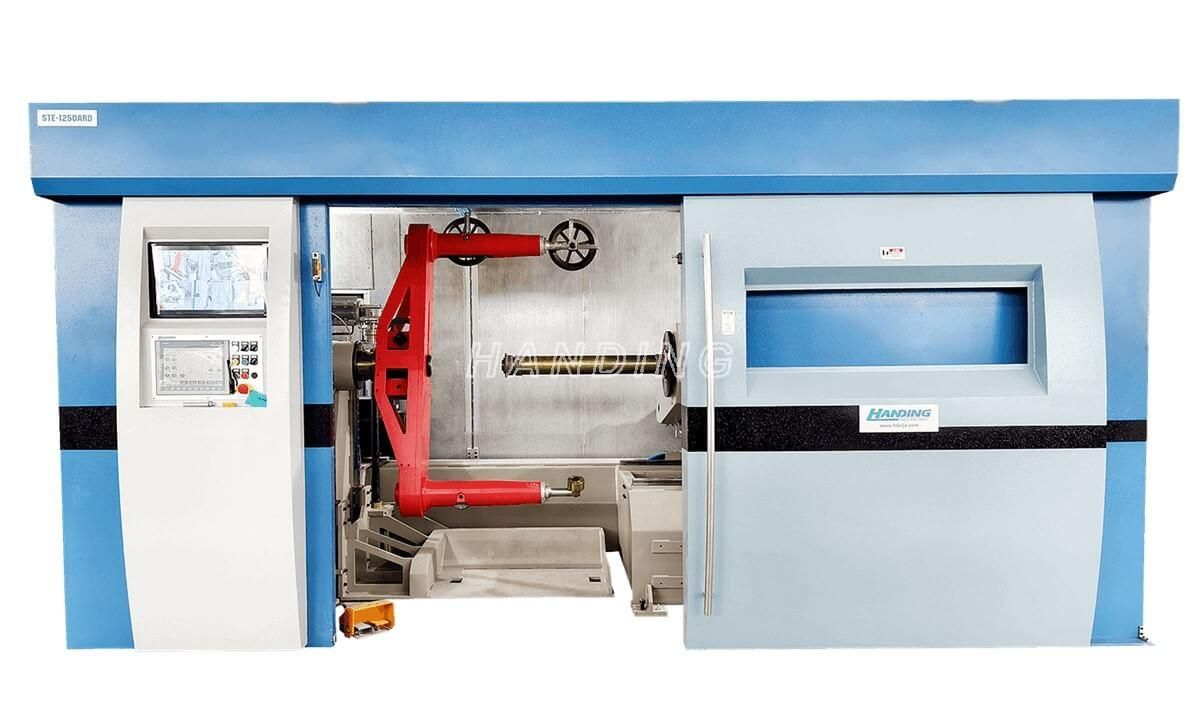
The cantilever type single twist cabling machine twists many wires into power cables quickly and accurately. Its single-twist mechanism and cantilever support make the machine less complex. You find it easier to run and take care of. You get steady results with less work.
Handing's model has a special design. It has no transmission shaft. This new idea makes the machine simpler. You deal with less downtime. Upkeep gets easier. The clean build lets you make high-quality cables without waste. You add this machine to your production line with very few changes.
This equipment works well with different cable types. The design aims for dependability. You count on this machine for steady results. It gives you strong and exact cables every time.
Key Takeaways
The cantilever single twist cabling machine twists wires to make power cables. It is less complex and easier to maintain.
You can get the machine ready fast by loading reels, setting tension, and setting up the controls on a touchscreen.
Safety features such as interlocks and emergency stops keep you safe while you run the machine.
The machine makes high-quality cables with steady tension and exact lay length, which cuts down on wire breaks and waste.
Compared to other machines, this design takes up less room, makes less noise, and needs less care.
Key Parts of the Cantilever Type Single Twist Cabling Machine
Main Parts Overview
This machine has several main parts. The payoff system holds the wire reels that come in. The flyer spins around a fixed take-up spool. Each full turn adds one twist to the wire bundle. The tension control system keeps steady pull on every strand. The take-up system collects the finished cable onto a spool.
Handing’s design removes the transmission shaft. This change cuts mechanical complexity. You get easier maintenance and less downtime. The machine also uses a semi‑circular groove design on the bow belt. A semicircle porcelain ring sits inside this groove. It prevents scratches and wire jumps at high speed.
Feature | Purpose |
|---|---|
Four separate pay-offs | One for each twisted pair |
Foil wrapping heads | Individual shielding for each pair |
Drain wire applicator | Provides contact to foil shield |
Central stranding bow | Assembles four pairs together |
Binding tape applicator | Holds everything in place |
How Components Work Together
The flyer and tension control system work as a team. The flyer rotates and creates the twist. Tension brakes or active dancer systems hold each wire. They keep it within plus or minus two percent of the setpoint. This stable tension prevents loose strands and uneven thickness. It also stops wire breakage. The result is uniform twisting for your power cables.
A capstan‑driven take‑up system pulls the finished cable forward. Servo‑driven closed‑loop control keeps lay length accurate to within plus or minus 0.5 mm. You set the pitch on a PLC touchscreen from 20 to 250 mm. The machine tracks speed changes automatically. This precision matters for power cable making machines that serve high‑frequency applications.
The over‑line system routes wire from the spindle across a guide wheel to the bow belt. Automatic tension control lets you increase reel take‑up tension from empty to full. You enter data through a touch screen. The machine adjusts tension smoothly on its own. This keeps variation uniform across the entire run. These systems together support a reliable cable manufacturing process for many types of cables, including those with connectors.
Setting Up the Machine for Production
Loading Reels and Adjusting Tension
Begin with the payoff system. Put each wire reel in its pay-off spot. The Handing model has four separate pay-offs for twisted pairs. Line up the reels the right way. Check that the wire feeds smoothly. Bad alignment causes tension spikes. It also causes wire breaks.
Lock the reels in place with the locking mechanism. Check that each reel spins freely. Any drag messes up tension consistency. You want steady tension from start to finish.
Set the tension next. Each pay-off has its own control. You change values on the touchscreen. The machine uses automatic tension control. It raises take-up tension as the reel empties. This keeps variation steady across the whole run.
Thinner wires need lower tension. Too much tension stretches thin wires. It causes breaks. Thicker wires need higher tension. Too little tension creates loose strands. The finished cable has uneven thickness.
The Handing machine makes this step easy. No transmission shaft means less mechanical drag. You get more precise control. You adjust each pay-off on its own. This helps when you mix different wire sizes in one cable.
Route the wire through the over-line system. Guide it from the spindle across the guide wheel to the bow belt. Check that the wire stays in the semi-circular groove. The porcelain ring stops scratches. It also stops wire jumps at high speed.
Check tension with a tension meter. Each strand stays within plus or minus two percent of the setpoint. This steady tension stops loose strands. It also stops wire breakage. You get uniform twisting for your power cables.
Putting in reels takes less time here. The cantilever design gives you easy access. You change reels fast. This cuts downtime between production runs.
Configuring Parameters for Power Cables
Open the PLC touchscreen interface. Find the parameter setup menu. The Handing machine stores presets for common cable types. You can also make custom profiles.
Set the lay length first. This controls the twist pitch. The machine takes values from 20 to 250 mm. Pick a lay length that matches the cable diameter. A good rule is to choose a lay length proportional to the cable diameter, with shorter lay lengths for smaller cables and longer lay lengths for larger cables.
Enter the cable diameter. The machine uses this value to figure out other settings. Enter the number of strands. The machine supports four pay-offs standard. Enter the material type for each strand. Copper and aluminum bend in different ways. The machine adjusts tension limits based on material.
Set the twist direction. Many power cable specs dictate the direction. Some standards require S-twist for certain uses. These settings work well for power cables of different sizes.
Set the take-up speed. The servo-driven control keeps lay length accurate within plus or minus 0.5 mm. The machine changes speed on its own when you change the lay length.
Set the production speed. Start slow for the first run. Check cable quality. Then raise it to your target rate.
Set up the tension profile. The automatic system adjusts tension as the reel fills. You set the start value and the end value. The machine figures out the values in between. This keeps tension steady from empty reel to full reel.
Calibrate the system. Run a short test length. Measure the lay length. Compare it to the setpoint. Adjust if needed. The touchscreen makes this easy.
Save your setup. Give it a clear name. The machine stores multiple profiles. You load them for future runs. This saves time when you make the same cable type again.
The cantilever type single twist cabling machine from Handing takes parameter changes fast. You switch between different power cable sizes with few adjustments. This model has simpler controls than standard power cable making machines. You avoid the mechanical parts that make other power cable making machines hard to use. The Handing machine uses electronic controls. You change parameters at the touchscreen. No tools needed. No mechanical parts to swap.
Many cables benefit from this machine's precision. You get steady results run after run. Some uses require special connectors. The machine handles these uses well. The tension control stops damage at connection points.
Safe Operation of the Cabling Machine
Safety comes first when you run any cable machinery. The cantilever type single twist cabling machine has spinning parts and moving wire. You must follow clear procedures to protect yourself and your equipment. Handing builds safety interlocks into their machines. These interlocks stop the machine when a guard opens or a fault occurs. You cannot start a production run until every guard sits in its correct position.
Start-Up and Running Sequence
Follow these steps each time you begin production. This sequence protects you and keeps your power cables consistent.
Walk around the machine. Check that all guards sit in place. Look for loose tools or wire scraps near moving parts.
Confirm that the emergency stop buttons work. Press each one and watch for the machine to lock out. Reset the button after the test.
Load the reels onto the pay-off stands. Lock each reel in place. Check that the wire feeds freely through the over-line system.
Set your parameters on the PLC touchscreen. Enter the lay length, cable diameter, and strand count. Load a saved profile if you have one.
Close all guards. The safety interlock will not let the machine start with an open guard.
Press the start button. The flyer begins to rotate slowly. Watch the first few meters of cable for loose strands or uneven twisting.
Raise the speed to your target rate. The servo-driven control keeps the lay length accurate as speed changes.
Monitor tension on the touchscreen. Each strand should stay within plus or minus two percent of the setpoint. Adjust if you see drift.
Stay at the machine during the first full reel. Watch for wire breaks or tension spikes. These problems show up early. You can fix them before they waste material. Many power cable making machines need constant attention during start-up. The Handing model runs steadily once you set the parameters.
Emergency Stops and Shutdown
Know where every emergency stop button sits. The machine has buttons at the main control panel and near the take-up system. Press any button to cut power to the drives. The flyer stops fast. The tension system releases. This action prevents wire breaks and protects the operator.
Use the emergency stop for real dangers only. A wire break near your hands counts as a real danger. A strange noise or vibration also counts. Do not use the emergency stop for normal shutdowns. Frequent emergency stops wear the brake system.
For a normal shutdown, follow these steps:
Lower the production speed to zero on the touchscreen.
Press the stop button. The flyer slows to a halt.
Wait for all motion to stop. The touchscreen shows a green light when the machine sits idle.
Open the guards. Remove the finished cable spool.
Clean wire scraps from the bow belt and guide wheels. Check the semi-circular groove for wear.
Log your production data. Note any issues for the next run.
Handing machines include safety interlocks that prevent restart after an emergency stop. You must reset the system and check all guards before you run the machine again. This design protects operators on every shift. You get peace of mind when you run these cables at high speed.
Optimizing Power Cable Manufacturing with This Machine
Achieving Quality with Power Cables
The cantilever design and single-twist mechanism make your power cables better right away. The flyer spins around a fixed take-up spool. Every full turn adds one twist to the wire bundle. This steady motion creates even twisting along the whole length. You get the same lay length from the first meter to the last.
No transmission shaft means less mechanical shaking. Less shaking means fewer tension spikes. Your power cables come out with even thickness and no loose strands. The semi-circular groove on the bow belt holds a porcelain ring. This ring stops scratches and wire jumps at high speed. You protect the conductor surface during the cable manufacturing process.
The servo-driven closed-loop control keeps lay length accurate to within plus or minus 0.5 mm. You set the pitch on the PLC touchscreen from 20 to 250 mm. The machine follows speed changes on its own. This precision matters for power cable manufacturing that serves high-frequency applications. You also get reliable performance for cables with connectors.
Troubleshooting Common Issues
Wire breaks and uneven twisting are the most common problems in power cable making machines. Both usually come from unstable tension. The Handing machine uses automatic tension control. Each pay-off adjusts on its own. Tension stays within plus or minus two percent of the setpoint. This steady pull stops loose strands and wire breakage.
If you see uneven twisting, check the lay length setting first. A lay length that is too short for the cable diameter causes over-twisting. A lay length that is too long creates loose bundles. Adjust the value on the touchscreen and run a short test length.
Wire breaks often mean tension is too high for thin conductors. Lower the tension value for that pay-off. Check the over-line system for wire that has jumped out of the semi-circular groove. The porcelain ring should guide every strand smoothly.
For power cable recommendations on tension profiles, save your working settings as a preset. You build a library of proven setups for different cables. This saves time and reduces errors on future runs. Many power cable making machines need constant manual adjustment. The Handing model runs steadily once you set the parameters.
Comparing Other Power Cable Making Machines
Advantages of the Cantilever Design
You can see clear differences when you compare the cantilever type single twist cabling machine to other power cable making machines. Double-twist machines spin the wire bundle multiple times per turn. This puts more mechanical stress on the strands. The extra stress causes more wire breaks, especially with thin conductors. Double-twist machines also make more noise. The rotating cradle adds vibration that moves through the frame. You spend more time fixing those power cable making machines. Rigid frame stranders work well for large cables. But they use much more floor space. You need a bigger workshop to hold them. Setting them up also takes longer. You adjust many mechanical parts before each run. These older designs make more heat during long production runs too. You must plan for extra cooling time between runs.
The cantilever design from Handing fixes these problems. The machine has a single rotating flyer. It does not need a heavy cradle or a long transmission shaft. This simple build cuts down on moving parts. Fewer parts mean less noise while it runs. You hear the wire feeding through the semi-circular groove instead of loud mechanical clatter. The machine also uses less floor space. You fit it into tighter production areas without changing your layout. The compact size lets you add more production lines in the same area. The machine handles many cable types with the same basic setup.
Maintenance gets easier with this design. No transmission shaft means you avoid greasing bearings along a long shaft. You also skip alignment checks between the shaft and the cradle. The tension control system runs on servo drives. Servo drives need less frequent service than mechanical brakes. You replace worn parts only after many production cycles. This makes the Handing machine one of the most reliable power cable making machines for daily use. You spend less time on upkeep and more time on production.
These benefits help you make better power cables. The steady tension and low vibration stop loose strands in the finished cables. You get clean twisting every time. The machine also handles cables that need connectors for specific uses. You keep the same quality across different product runs. You produce consistent results run after run. Handing's cantilever design gives you a reliable tool for modern manufacturing. Your team learns how to use it quickly. The simple controls reduce training time for new operators.
You have learned the main parts, setup steps, safe use, and ways to improve the cantilever type single twist cabling machine. Its cantilever design and single-twist mechanism give you speed and ease. Handing's model has no transmission shaft, so it has fewer mechanical parts. This means you do less upkeep and have less downtime.
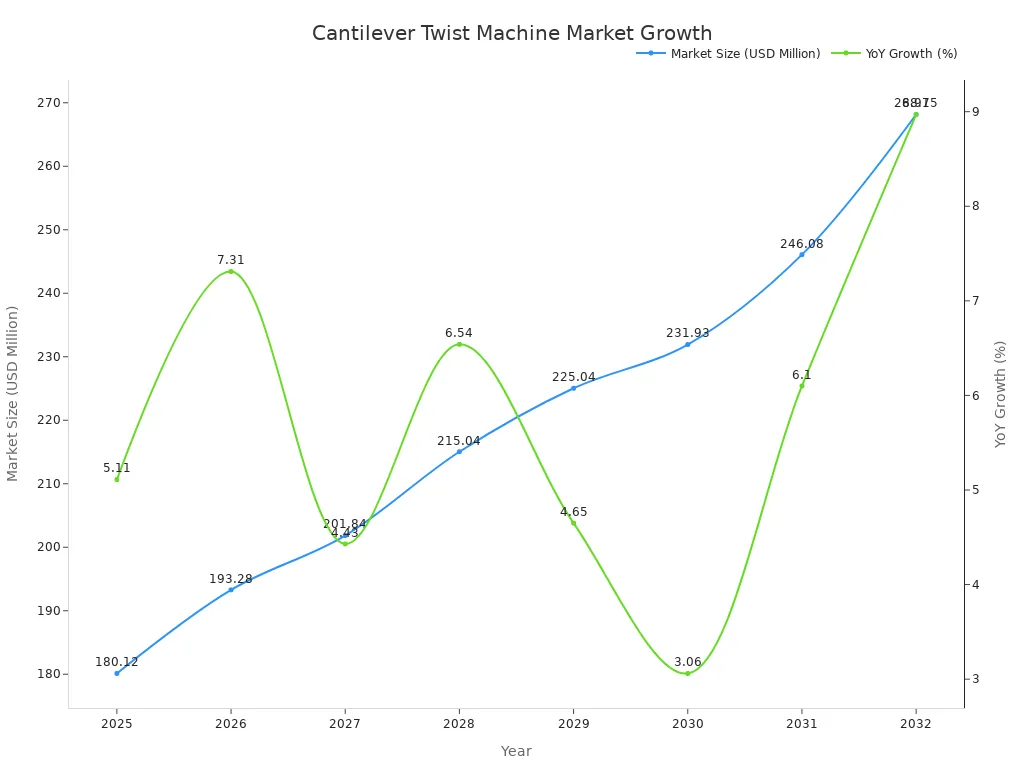
Use these tips to get the best quality from your production. You will make better cables with steady tension and exact lay length. The machine works with many cables for power and communication needs. Experts predict steady growth for these machines through 2032. Your money on this technology pays off with reliable cables run after run.
FAQ
What makes this machine different from a double-twist cabling machine?
A double-twist machine spins the wire bundle multiple times per turn. That adds stress and noise. The cantilever single twist machine uses one rotating flyer. You get less vibration and fewer wire breaks. The simple build also takes up less floor space.
How do you set the right lay length for a power cable?
Match the lay length to the cable diameter. A good lay length is proportional to the cable diameter. You enter the value on the PLC touchscreen. The machine accepts settings from 20 to 250 mm. The servo control holds accuracy within plus or minus 0.5 mm.
Can this machine handle a hospital-grade power cable?
Yes. A hospital-grade power cable needs steady tension and clean twisting. The automatic tension control keeps each strand within plus or minus two percent of the setpoint. The porcelain ring in the semi-circular groove stops scratches. You get the conductor surface quality these cables require.
What power cable recommendations do you have for first-time operators?
Start at a slow speed. Watch the first few meters for loose strands. Save your working settings as a preset on the touchscreen. Build a library of proven setups for each cable type. This cuts errors on future runs.
How often do you need to maintain the machine?
The absence of a transmission shaft removes many lubrication points. You skip alignment checks along a long shaft. Servo drives need less frequent service than mechanical brakes. Check the semi-circular groove for wear after each run. Replace worn parts only after many production cycles.
Recent News
1.High Output Extrusion Line vs Standard Extrusion Line
2026-09-112.HANDING 1250/1+3 High-Speed Skip Strander Successfully Completes Trial Run for Advanced Cable Production
2026-09-093.5 Ways a Double Twist Bunching Machine Boosts Your Cable Production
2026-09-054.What to Consider When Choosing Wire Stranding Machine Suppliers
2026-08-315.What is an extruder machine used for?
2026-08-216.Top Skip Strander Manufacturers and Suppliers for Wire and Cable Production
2026-08-197.DTE‑1000CA High Speed Bunching Machine Completed Trial Test for Advanced Cable Manufacturing
2026-08-148.How to Choose a Wire Extrusion Machine for Cable Manufacturing
2026-08-07