


5 Ways a Double Twist Bunching Machine Boosts Your Cable Production
 Sep 05, 2026|
 View:146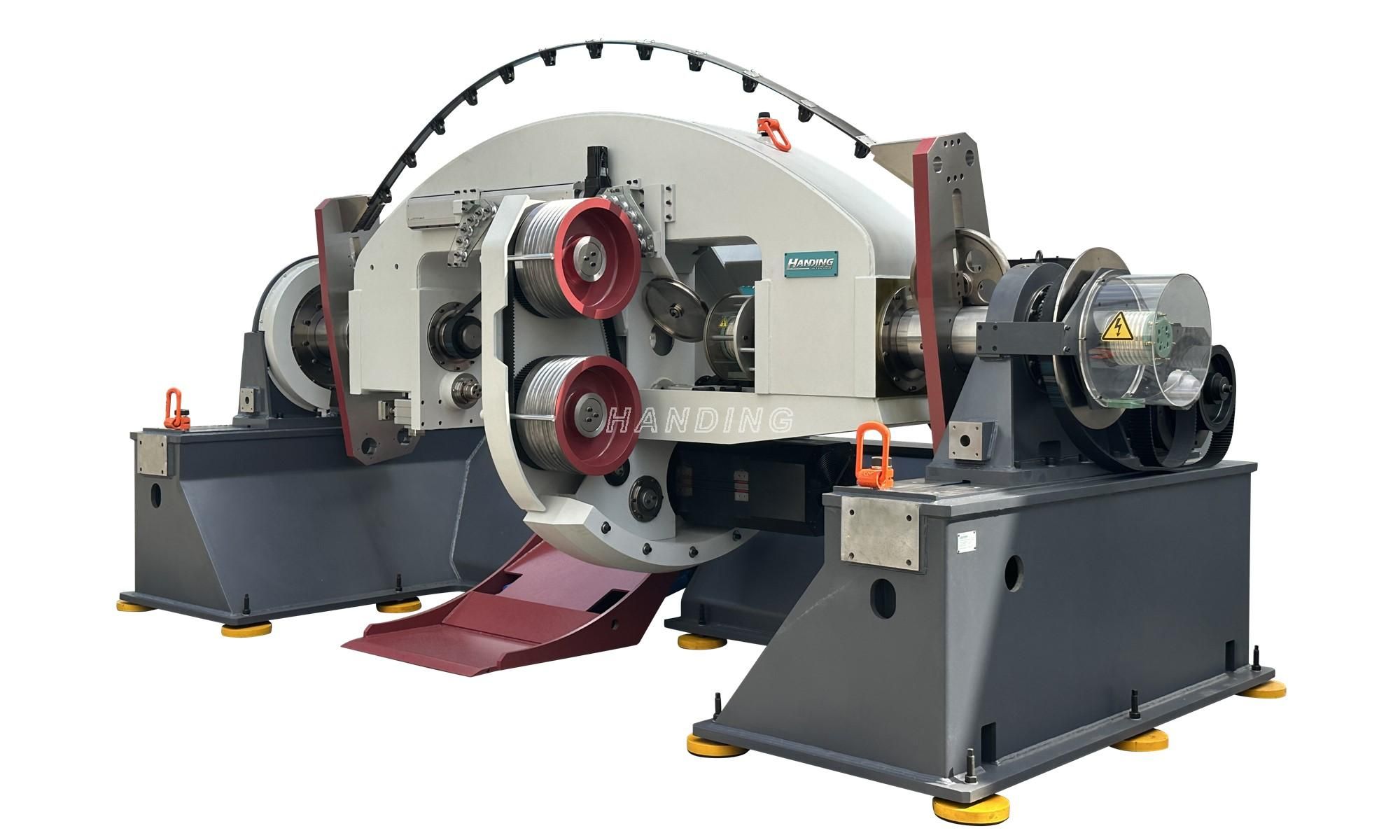
Production bottlenecks slow down cable making in the wire and cable industry. The double twist bunching machine offers a direct fix. It provides five main benefits: more efficiency, better quality, lower costs, less downtime, and a small size. The flexibility of double twist bunching machines supports many uses. This double twist machine raises your production speed. New ideas in double twist bunching technology make these benefits possible. The Handing DTE-631D/801D bunching machine includes these features. These benefits boost your output and profits. Advanced models like the Handing DTE-631D/801D deliver these benefits. This machine sets the stage for the technical details that follow.
Key Takeaways
A double twist bunching machine gives you twice the output for each revolution, making production faster and lowering the cost per foot.
Active tension control stops wires from breaking and birdcaging, making sure quality stays steady and scrap is reduced.
Automated PLC control cuts labor costs and mistakes, so one worker can handle several machines at once.
Durable components and simple maintenance reduce downtime, keeping your production line running smoothly.
Its small design fits in tight spaces, so you can produce more cables without needing a bigger building.
Enhanced Efficiency: The Core Advantage of a Double Twist Bunching Machine
How Dual-Twist Mechanics Double Your Output
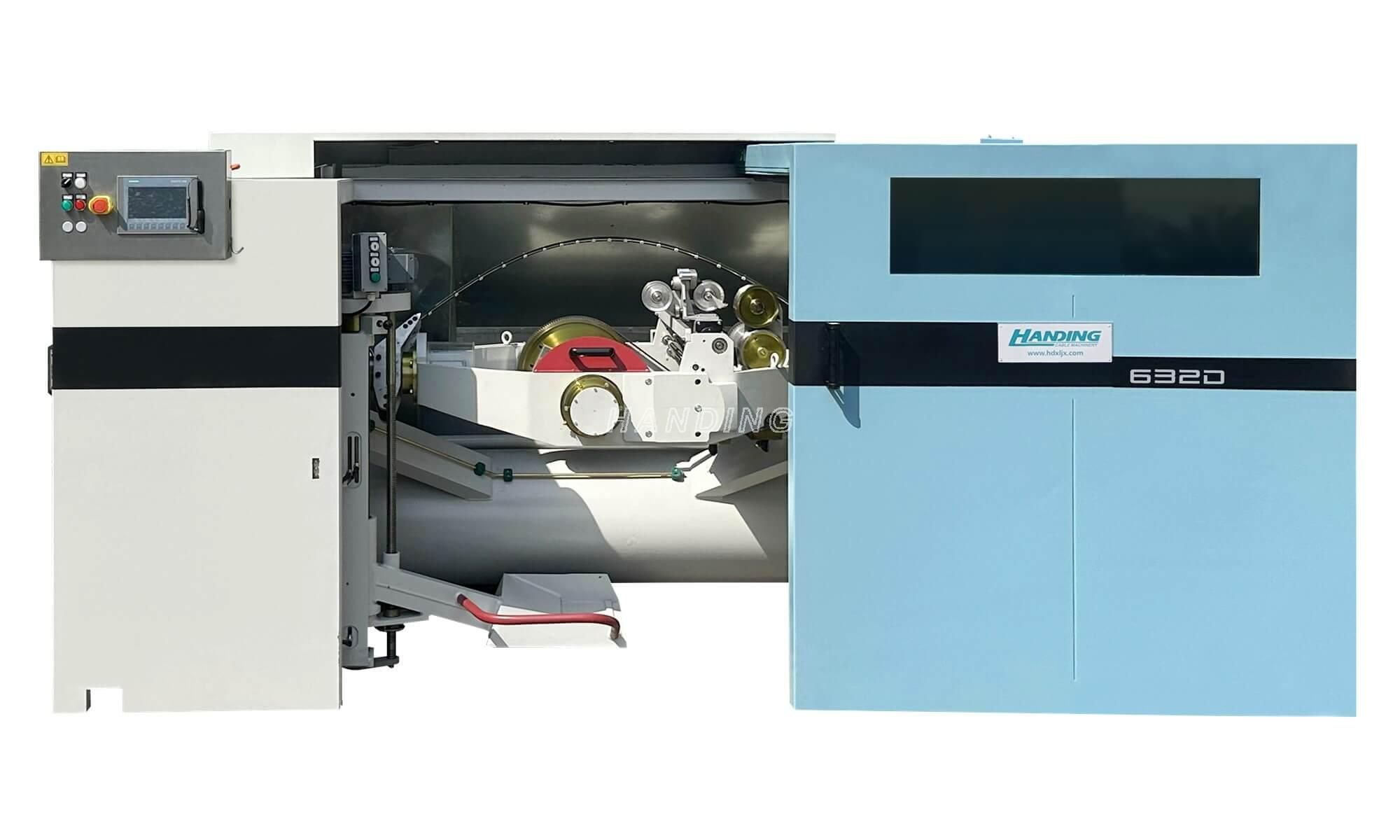
The double twist bunching machine gets its speed from a clever design. A rotating bow arm carries the wire around the machine. The wire leaves the supply bobbins and goes over a guide pulley on the spinning bow. This action gives the wire its first twist. Then the wire returns to the center of the machine. As it winds onto the finished spool, it gets a second twist. So you get two twists for every full turn of the bow. A single-twist machine only gives you one twist per turn. This difference is the main reason for the better efficiency you can expect.
The Handing DTE-631D/801D is a great example of a high-speed bunching machine that uses this idea. Its advanced design lets it run at very high speeds. You can process more cable in less time. This speed directly lowers your cost per foot of cable produced. The faster you twist, the lower your production cost becomes. These new ideas in double twist bunching technology make a big difference in your daily output. You can increase your production rate without adding more machines.
Comparing Throughput to Single-Twist Alternatives
Think about the throughput difference. A single-twist machine completes one twist per revolution. The double twist machine completes two. So you can roughly double your production rate with the same floor space and operator attention. For example, if a single-twist model can twist 1000 feet of cable per hour, a double twist machine can produce around 2000 feet per hour. This directly boosts your production rate by two times.
The Handing DTE-631D/801D runs at high speeds and keeps stable tension. You get more output per hour. This cuts the time needed to finish each order. The result is a lower cost per foot of finished cable. The double twist bunching machine is not just a speed upgrade. It is a basic change in how you use your production line. You can achieve more with the same resources. This is the main advantage of the bunching machine design.
Key Benefits: Cost Savings and Reduced Energy Consumption
The double twist bunching machine brings clear money benefits to your work. Two main benefits stand out: saving money from lower energy use and needing less labor. The Handing DTE-631D/801D bunching machine shows how these savings build up over time.
Lower Power Usage Per Pound of Finished Cable
The machine uses a motor design that saves energy. This motor uses less electricity for each twist cycle. You get more production from each unit of energy. This directly lowers the cost per pound of finished cable. The improved mechanical design cuts down on friction and heat loss. This means less energy gets wasted. The motor runs well even at high speeds. This lowers the electricity needed for each production run. You will see a clear drop in your monthly electricity bills. The energy savings are big enough to help your profits.
These savings grow large over time. You can put this money back into other parts of your business. This is a clear example of using materials wisely. You use less power to make the same amount of cable. The lower energy cost per foot boosts your overall profit margin. This makes your production more competitive.
Minimizing Labor Costs with Automated PLC Control
The advanced automation of the PLC system changes how you run your production line. You can set parameters quickly with the easy-to-use control panel. The machine then runs with little operator attention. This frees up your workers for other jobs. You do not need one operator for each machine. The system also watches performance in real time. It warns you about problems before they cause downtime. This cuts the need for constant watching. The system tracks production data and helps you make smart choices about your process.
The system has automatic features that cut down on manual adjustments. This further lowers your labor costs. Your labor costs go down because you can move staff to more useful work. The long-term money impact is clear. You save money on energy and labor. These savings improve your overall production budget. You can make more cable with fewer resources. The mix of lower energy and labor costs makes this machine a smart buy.
Improving Conductor Quality with Precision Tension Control
Preventing Wire Breaks and Birdcaging Defects
Wire problems waste your time and money. Two common issues affect traditional bunching work: birdcaging and wire breakage. Birdcaging happens when tension gets too low, letting loose strands bulge out like a cage. Wire breakage happens when too much tension pulls wires beyond their limit. Both defects ruin the conductor and make you throw away the whole spool.
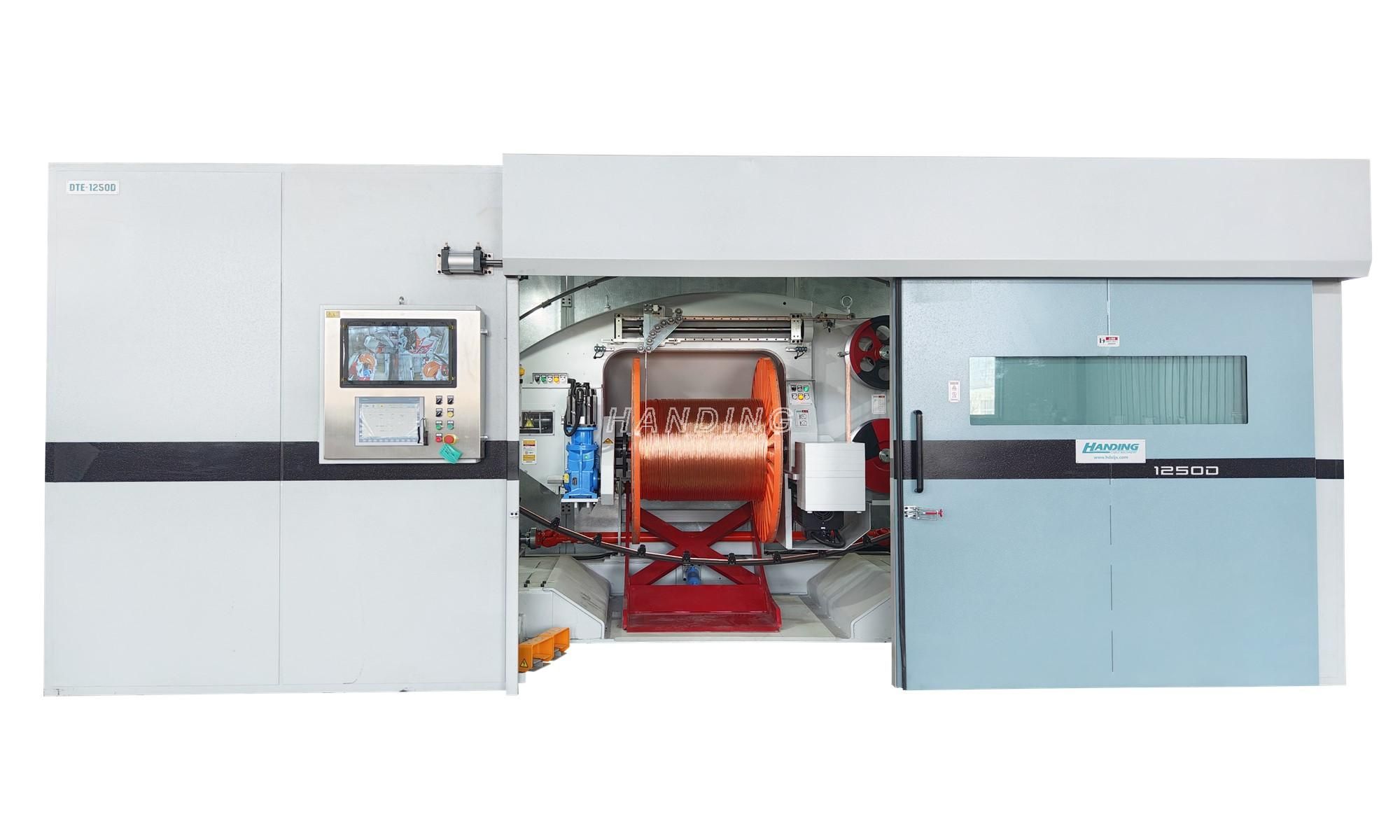
The double twist bunching machine fixes these problems with active tension control. Old machines use passive friction or magnetic brakes. These let tension change as the spool fills up. High-precision models like the Handing DTE-631D/801D use active servo closed-loop control instead. This system keeps tension accuracy within ±0.5g to ±1g, compared to ±10g to ±15g on regular machines. That steady control stops the tension spikes that break thin wires.
Performance Metric | Traditional Bunching Machine | High-Precision Double Twist Buncher |
|---|---|---|
Tension Control | Passive Friction / Magnetic | Active Servo Closed-Loop |
Tension Accuracy | ±10g to ±15g | ±0.5g to ±1g |
Surface Protection | Hardened Steel / Standard Ceramic | Carbon Fiber & Diamond Coating |
Pitch (Lay Length) Accuracy | ±3% to ±5% | ±0.1% |
The machine also protects wire surfaces during work. Carbon fiber bows and diamond-coated guides take the place of hardened steel and standard ceramic parts. These low-friction materials stop the scraping that makes conductors weaker. You cut scrap rates a lot while making the final product more reliable for your customers.
Achieving a Uniform Twist Pitch for Superior Conductivity
Steady twist pitch directly affects electrical performance. The capstan wheel pulls the bunched wire through the machine at a steady, controlled speed. The ratio between the bow's rotation speed and the capstan's linear speed sets the lay length—the distance along the wire for one full twist. The PLC system locks this ratio exactly, giving lay-length consistency of ±1% or better for the whole production run.
This exactness gives a real quality boost. A uniform twist pitch gives steady conductor shape and low internal stress. These factors keep a uniform cross-section and lower resistance changes, which helps better conductivity. You also get better material use because steady tension stops over-stretching or under-compacting the strands.
The Handing model's PLC control sets and locks the lay pitch and direction before production starts. You put in the specs once, and the machine keeps them from full bobbin to empty bobbin. This automation takes away human mistakes. Every foot of cable you make meets the same high standard, which builds trust with customers who need steady performance in automotive, power, and communication uses.
Reducing Downtime with a Reliable Bunching Machine Design
Simplifying Spool Changes and Thread-Up Procedures
Every minute your machine stops costs you money. The double twist bunching machine design reduces these stops. Spool changes happen quickly and smoothly. You do not need special tools or complex steps. The thread-up path is easy to follow. Workers learn the process fast. New operators get up to speed in less time.
The Handing DTE-631D/801D makes this process simple. You switch from one spool to the next without delays. The machine gives you clear access to the wire path. You guide the wire through the system with few steps. This reduces the time between production runs. You spend less time on setup and more time on cable production.
This simplicity also reduces errors. A clear process means fewer mistakes. You avoid rethreading or fixing misrouted wires. The result is more uptime and higher output from your line.
Ensuring Long-Term Reliability with Durable Components
A reliable machine keeps running day after day. The Handing DTE-631D/801D uses a sturdy frame that handles continuous operation. You run it at high speeds without worrying about vibration or wear. The precision bearings reduce friction and heat buildup. This extends the life of moving parts.
The optional automatic lubrication system is a smart addition. It delivers oil to key points at regular intervals. You do not stop the machine for manual greasing. This reduces maintenance frequency and keeps production flowing. The system prevents over-lubrication or under-lubrication. Both problems damage components over time. With automatic lubrication, you get consistent protection for every part.
Easy access to service points is another important feature. You reach key components without disassembling large sections. This speeds up troubleshooting and repairs. When a problem occurs, you fix it fast. You reduce downtime and get back to production quickly. The combination of durable parts and smart maintenance features makes this bunching machine a reliable tool for your cable work.
Optimizing Factory Space with a Compact Machine Footprint
Integrating Seamlessly into Small to Medium Production Lines
Factory floor space is expensive. You need equipment that earns its spot. The Handing DTE-631D/801D gives strong output without taking up much room. Its small design fits well into small to medium production lines. You can put it where a bigger machine would not fit. This lets you grow capacity without building new facilities or moving your whole shop around.
Saving space gives you real options. You can add a second unit in the space another machine type would need alone. This setup raises your total output while keeping your layout neat. The machine's design also makes workflow planning easier. Workers can reach all service points easily, so you do not need extra room for maintenance. Every square foot of your facility works harder for you.
Handling a Wide Range of Wire Diameters and Materials
The flexibility of double twist bunching machines shows clearly in the DTE-631D/801D. This bunching machine handles copper wires, tinsel wires, and other conductive materials with equal ease. You can switch between material types without difficult changeovers. This flexibility cuts setup time between production runs. The versatility of double twist bunching machines also helps you use materials better. You use exactly the right amount of material for each conductor spec, reducing waste and lowering your input costs.
Better material use goes beyond simple wire handling. The machine's precise tension control lets you work with ultra-fine wires down to 0.08 mm without breaking them. You can also process thicker conductors up to 2.5 mm for tough power applications. This wide range means one machine covers many production needs. You avoid buying separate equipment for different wire sizes.
The many uses make this machine valuable across the wire and cable industry. Common uses include automotive wire, battery cable, flexible conductors, and control cable. The table below shows specific automotive uses in detail.
Application | Purpose / Detail |
|---|---|
High-voltage battery cables (800V+) for EVs | Twisting for power transmission |
ADAS sensor cables (LiDAR/RADAR) | Stranding for signal stability |
Automotive harnesses (thin-walled) | Ultra-fine wire bunching (0.08–2.5 mm) with real-time tension control |
These uses show how one compact machine serves many production roles. You make high-quality stranded conductors for vehicles, power cords, and communication systems. The DTE-631D/801D brings together space efficiency, material flexibility, and steady output. This mix makes it a smart choice for manufacturers who need maximum value from limited floor space.
The double twist bunching machine delivers five key benefits: enhanced efficiency, cost savings, quality improvement, reduced downtime, and a compact footprint. These advantages make it a strategic investment, not just an equipment upgrade. You gain higher output, lower cost per foot, and superior product consistency.
The versatility of double twist bunching machines supports many applications across the wire and cable industry. Innovations in double twist bunching technology continue to raise the production rate you can achieve. Evaluate your current bottleneck today. Request a feasibility study or demo with Handing Machinery. See how this bunching machine transforms your cable production. Adopting this technology keeps you competitive as market demands grow.
FAQ
What wire materials can the DTE-631D/801D process?
This bunching machine works with copper wires, tinsel wires, and other conductive materials. It can handle ultra-fine wires as thin as 0.08 mm or thicker conductors up to 2.5 mm. You can switch between materials without hard changeovers, which saves setup time between production runs.
How does the PLC control system help operators?
The PLC system lets you set parameters using a simple panel. You enter your specifications once, and the machine keeps them for the whole run. Real-time monitoring warns you about problems before they cause downtime. This lowers the need for constant operator attention.
What maintenance does this machine require?
The sturdy frame and precision bearings need little upkeep. You can add the optional automatic lubrication system to supply oil at regular intervals without stopping production. Easy access to service points lets you reach key components quickly for fast troubleshooting and repairs.
How much floor space does this machine occupy?
The compact design fits into small to medium production lines. You can place it where larger equipment would not fit. This space efficiency lets you add a second unit in the area another machine type would need alone, increasing your total output without expanding your facility.
What industries commonly use this equipment?
Common applications include automotive wire, battery cable, flexible conductors, and control cable production. The machine also serves high-voltage battery cables for electric vehicles and ADAS sensor cables. These applications show how one compact unit handles diverse production needs across the wire and cable industry.