

Why choose a Spool type Vertical taping machine for your cable line?
 Sep 20, 2026|
 View:4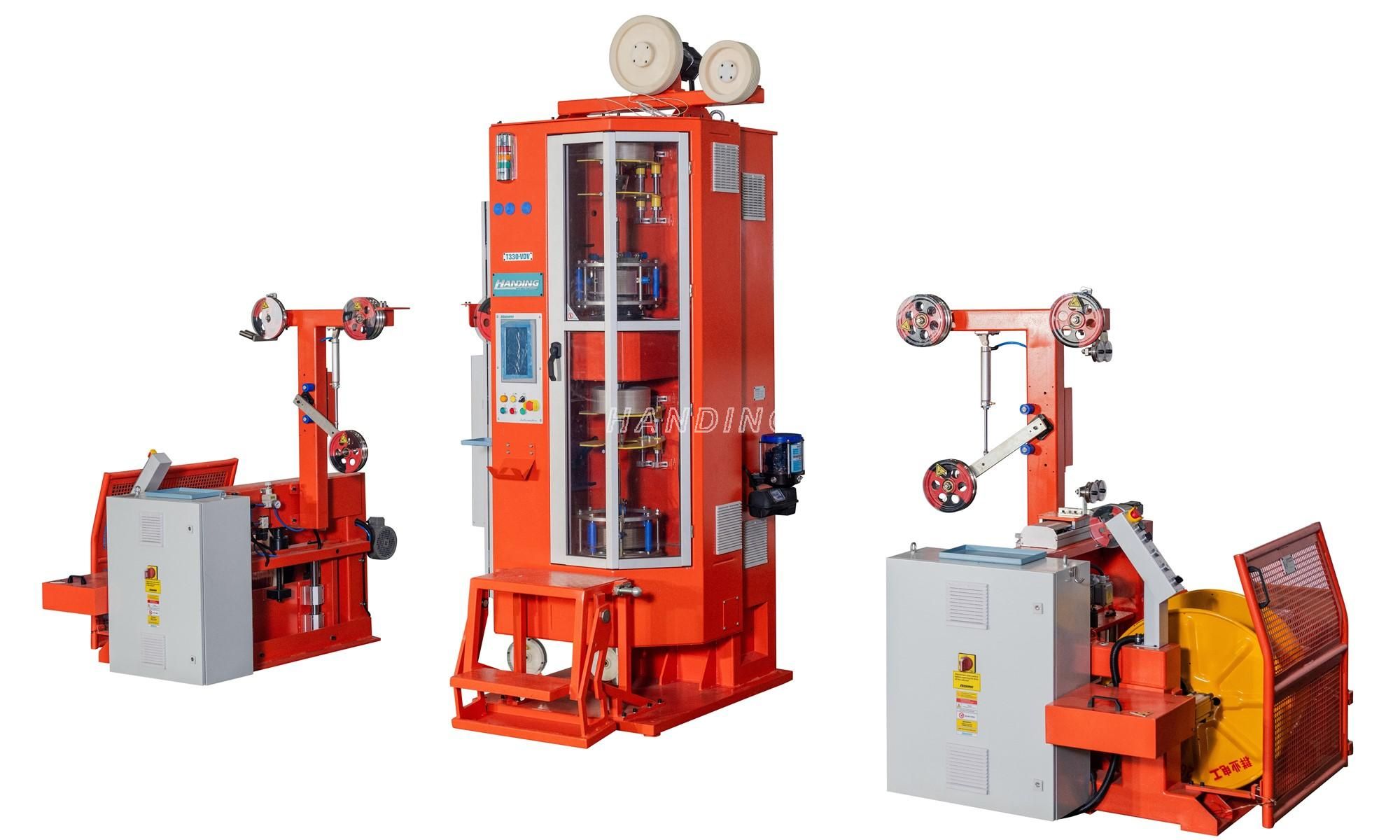
Cable makers pick a spool type vertical taping machine for three big reasons: tight tension control, a small vertical size, and better reliability. These machines give steady taping results for many cable sizes. They cut downtime with nonstop running and easy tape roll swaps. The vertical shape saves floor space compared to flat options. This setup allows faster production with less wear. Makers get better space use and fewer bad cables. The spool system keeps tape overlap and stick even. This purchase boosts output quality and cuts running costs. For cable lines that want reliability and speed, this machine is a useful choice.
Key Takeaways
Accurate tension control keeps the tape wrap even from start to finish. This cuts down on waste and makes the cable better quality.
Vertical design saves floor space and lets you change tape rolls in under five minutes, which reduces downtime.
The machine works with many cable sizes and materials at high speeds with little wear, which increases productivity.
Unlike horizontal machines, this design provides better overlap control and lower maintenance costs.
What Is a Spool Type Vertical Taping Machine?
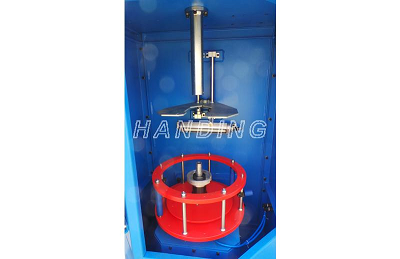
Core Definition and Working Principle
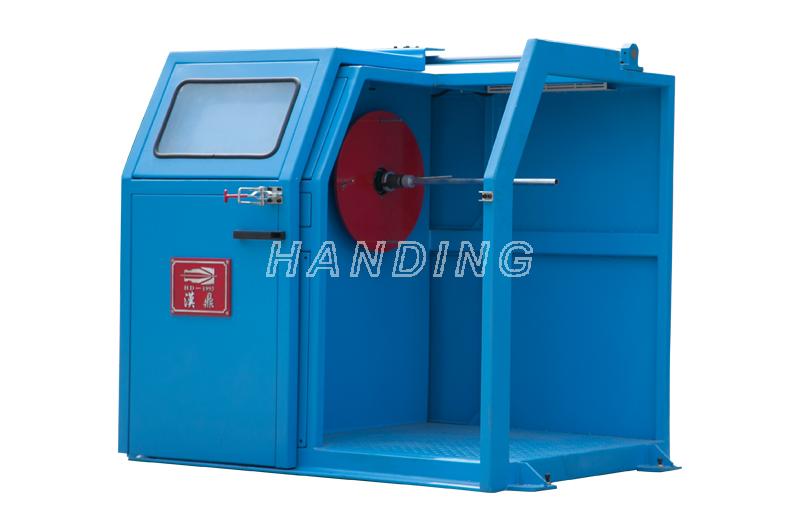
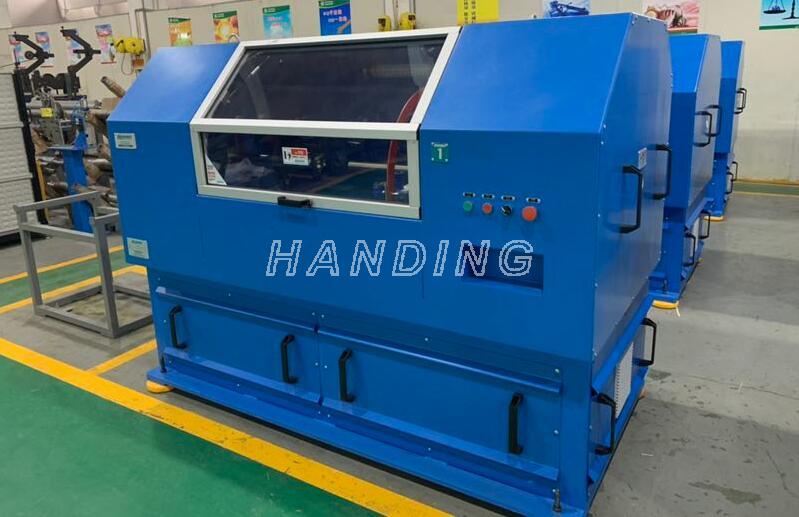
A spool type vertical taping machine is special equipment that puts tape insulation or shielding on wires and cables. The machine works with precision and speed. The vertical design saves floor space. It fits easily into production lines you already have.
The working principle means unwinding tape from a spool and wrapping it around the cable. The machine controls tape tension to keep the application steady. Operators can pick from several tension control systems. Mechanical friction brakes give a simple and low-cost option. Magnetic-powder control adjusts braking torque. A dancer control makes up for tension changes using dancer position. Servo-controlled payoff actively adjusts tape delivery for high precision. Load-cell measurement directly checks tape force.
The table below sums up these common tension methods:
Tension Method | Main Characteristic |
|---|---|
Mechanical friction | Simple and economical |
Magnetic-powder control | Adjustable braking torque |
Dancer control | Uses dancer position to compensate for tension changes |
Servo-controlled payoff | Actively controls tape delivery |
Torque-feedback control | Adjusts drive according to torque or tension feedback |
Load-cell measurement | Directly monitors tape force at a measurement point |
For stretchable materials such as polymer tape, a special approach is needed:
Stretchable polymer tape: Changing width and unstable overlap — Closed-loop tension or controlled dancer system
A closed-loop electronic dancer reacts right away to speed changes. It keeps tape tension constant from full pad to core. This stops wrinkles and breakage. The result is reliable performance and high-quality finished products. This taping technology makes the whole process better.
The system stays consistent even when speed changes. This cuts waste and improves output quality. The machine handles single conductor and multi-core cables with the same precision. For optical fiber cables, the gentle tension control stops damage.
The Spool Mechanism Explained
The spool-type design sets this machine apart from other taping equipment. The spool holds a large supply of tape. It allows continuous operation without frequent stops. When one spool empties, the operator changes it fast. This cuts downtime and supports production. The spool mechanism also supports even tape overlap and adhesion. The machine keeps tension consistent throughout the run. This stops loose wrapping or gaps. The result is a uniform insulation or shielding layer.
The easy tape roll changeover is a key feature. The operator can replace a spool in minutes. This keeps the production line running smoothly. The strong construction ensures low maintenance. The machine’s design reduces wear on moving parts. This extends the lifespan of the equipment. The machine accepts various tape widths and materials. This flexibility helps cable manufacturers meet different specifications. The vertical orientation also improves access for maintenance. Operators can inspect and adjust components easily. The machine fits smoothly with downstream processes.
The spool mechanism works with different tape materials. These include paper, plastic, and composite tapes. The tension control adjusts on its own for each material. This stops damage during wrapping. Operators can set parameters for each cable type. This cuts setup time between batches. The machine supports high-speed operation without hurting quality. This makes it ideal for continuous production environments.
Key Features for Consistent Taping
Precision Tension Control
Tape tension decides how good every wrapped cable turns out. A spool type vertical taping machine keeps that tension steady from the first wrap to the last. The control system adjusts braking force as the spool empties. Tape diameter shrinks during the run. Without this adjustment, tension would rise and stretch the tape. The machine fixes this on its own. Operators set a target value one time. The system holds that value for the whole batch.
Several tension methods give manufacturers a choice. Mechanical friction brakes are a simple and low-cost path. Magnetic-powder control adjusts braking torque with electrical input. A dancer control uses dancer position to make up for tension changes. Servo-controlled payoff actively manages tape delivery for high precision. Load-cell measurement directly checks tape force at a measurement point. Each method fits different tape materials and line speeds.
Stretchable polymer tape needs special attention. This material changes width under load. Unstable overlap can result. A closed-loop tension or controlled dancer system fixes this problem. The electronic dancer reacts right away to speed changes. It keeps tape tension constant from full pad to core. This stops wrinkles and breakage. The result is reliable performance and high-quality finished products.
Tension control also protects the cable itself. Too much force can crush insulation or damage conductors. Too little force creates loose wraps and gaps. The machine finds the right balance for each cable type. This precision supports single conductor cables, multi-core cables, and optical fiber cables with equal care.
Uniform Tape Overlap and Adhesion
Consistent overlap creates a reliable insulation or shielding layer. The machine controls both the tape feed rate and the cable speed. These two factors determine the overlap percentage. Operators set the overlap value for each cable specification. The system keeps that value without drift. A steady overlap means no weak points in the covering. Each layer bonds evenly to the one below it.
Adhesion depends on tension and wrap angle. The machine holds both steady. Tape presses firmly against the cable surface. Air pockets cannot form between layers. This matters for shielding applications. A gap in shielding lets electromagnetic interference through. Uniform overlap blocks that path. The finished cable meets electrical and mechanical requirements.
The taping process also handles different tape widths and materials. Paper, plastic, and composite tapes all work with the same precision. The tension control adjusts on its own for each material. This stops damage during wrapping. Operators can set parameters for each cable type. This cuts setup time between batches.
This technology delivers consistent results across long production runs. The machine supports high-speed operation without hurting quality. Fewer rejected cables leave the line. Manufacturers save material and labor costs. The uniform layer also improves downstream processes. Extrusion, braiding, and jacketing all benefit from a smooth, even tape surface. The spool type vertical taping machine turns a simple wrapping step into a reliable quality gate for the entire cable line.
Design Advantages for Modern Cable Lines
Vertical Orientation and Space Savings
This machine stands upright and takes up less floor space. The tape pad sits above the cable path. This setup uses a narrow area. Cable makers can put the unit in tight spaces. The design makes it easy to reach parts for maintenance and checks. Operators can get to the wrapping head without moving other machines. The layout also helps the flow of work in the production line. Workers bring new tape rolls without passing through other machines. This setup reduces crowding and keeps operators safe. The small size frees up floor area for other steps like extrusion or jacketing. Makers get better use of space without losing wrapping quality.
The machine works well even when line speed changes. Gravity helps the tape unwind, so the tension system has less work. This natural help keeps tension steady from a full spool to an empty core. The result is a reliable covering on the cable. The unit fits easily with machines that come after it. Operators can put the machine on a raised platform and feed cable from below. This flexibility works with different factory setups.
Easy Tape Roll Changeover
This machine lets operators switch tape rolls quickly. When one spool runs out, the operator stops the machine and clamps the tape end. Then they release the spool from the drive shaft and take off the empty core. A new spool slides onto the shaft in just minutes. The operator feeds the tape end through the tension path and starts again. This whole process takes less than five minutes. Easy-to-use controls include a foot switch to stop the line. The machine starts again on its own after the change. This fast swap cuts downtime. Work goes on with almost no delay.
Strong build means low maintenance. The machine uses sealed bearings and steel parts that are hardened. The tape spool drive has bearings that are lubricated for life. The tension control uses advanced technology and does not need frequent adjustment. Operators just clean the tape path each day. The design keeps dust and debris out of moving parts. This reliability supports long shifts of nonstop work. Makers get fewer unplanned stops and better overall equipment use. The mix of fast changeover and low maintenance makes this machine a solid part of a modern cable line.
Adaptability Across Cable Sizes and Speeds
Handling Various Cable Diameters
One spool type vertical taping machine can handle many cable diameters. The wrapping head adjusts to fit thin single conductor wires and thick multi-core cables. Operators change the guide rollers and set the tension value for each size. The system then keeps that setting for the whole batch. This flexibility means one machine can replace several fixed-size units. Cable makers save floor space and money.
The machine also works with delicate optical fiber cables. Gentle tension control stops the tape from crushing the fiber core. The same unit wraps power cables with thick insulation. Switching between sizes takes only minutes. Operators swap the guide tooling and load a new recipe. The machine saves these recipes for future runs. This quick changeover helps with small batch production and large volume orders alike. A single line can run many cable types without a long setup delay.
High-Speed Operation with Minimal Wear
High line speeds put stress on every moving part. This machine meets that demand with a balanced wrapping head. The vertical layout uses gravity to help the tape unwind. This natural help reduces the load on the tension system. The head spins on sealed bearings made for continuous duty. Hardened steel parts resist wear at the contact points. The drive uses bearings that are lubricated for life. These need no regular greasing.
The result is steady taping performance at high speed. Tape tension stays constant even when the line speeds up. The overlap value holds without drift. Fewer rejected cables leave the line. Maintenance stays simple. Operators clean the tape path each day and check the spool drive. The machine runs long shifts without unplanned stops. This reliability lifts overall equipment use and cuts operating cost. The design turns speed into an advantage instead of a wear problem.
Spool Type Vertical Taping Machine vs. Horizontal Alternatives
Quality and Efficiency Differences
A spool type vertical taping machine wraps cables better than a horizontal unit. The upright position lets gravity help pull the tape down. This means the tension system does not work as hard. The control keeps tape force steady from a full spool to an empty core. Horizontal units have to fight against gravity. Tape sag and uneven pull create weak spots in the covering.
Tape overlap stays even for the whole run. The machine controls how fast the tape feeds and how fast the cable moves. Operators set the overlap value just one time. The system holds that value without slipping. Horizontal units lose overlap consistency as the spool empties. This gap shows up clearly on long runs. Fewer cables get rejected with this design.
The machine runs at faster line speeds. The balanced wrapping head spins on sealed bearings. These parts hold up well at full speed. Horizontal designs put more stress on bearings and drive parts. They wear out faster. That leads to more downtime for repairs. This technology gives manufacturers a clear edge.
Saving floor space counts as a gain in efficiency. The unit takes up a narrow area. Manufacturers can fit more machines in the same space. Horizontal units need more floor space. This makes the production line layout harder to plan.
Changeover time is different too. Operators swap tape rolls in just minutes. The spool sits at a comfortable height. Workers can reach it without bending down. Horizontal units often have spools at awkward angles. Changeover takes longer. Production loses more time.
Handing offers a full range of tape wrapping equipment that supports these gains. The company's lineup includes extrusion lines, double twist bunchers, single twist cabling machines, tape wrapping machines, and auxiliary equipment. This range means Handing knows how each piece fits into a complete cable line. The final cable's performance depends on steady wrapping at every step.
Maintenance and Cost Comparison
Maintenance needs are different between the two designs. The machine uses sealed bearings that are lubricated for life. Operators do not grease these parts on a regular schedule. The tape path stays clean with daily wiping. Horizontal units need more bearing checks. Grease fittings need attention.
Parts wear out more slowly. The balanced head and gravity assistance lower stress on moving parts. Hardened steel contact points resist scraping. Horizontal units see faster wear on these same parts. Replacement parts cost more. Downtime adds to the total cost of ownership.
The upfront cost compares well. The compact design uses less material. The simpler drive system costs less to build. The purchase price often comes in below an equal horizontal unit.
Operating costs make the comparison even clearer. The machine uses less electricity. The tension system works with less force. The drive motor runs cooler. Energy use stays lower over the life of the equipment. Horizontal units pull more power to beat gravity and friction.
Long-term value comes from reliability. The machine runs longer between maintenance stops. Fewer surprise shutdowns mean more good cable goes out the door. Steady wrapping quality cuts scrap rates. Material savings add up over thousands of meters.
Handing's 23 years of experience backs up these cost advantages. The factory covers 16,000 square meters with 100 employees. Independent research and development drives constant improvement. This engineering skill makes sure each machine meets the demands of modern cable manufacturing.
Handing Solutions in Real Cable Manufacturing
Applications in Power and Communication Cables
Jiangsu Handing Cable Machinery Co., Ltd. (brand: Handing) makes machines for real cable factories. The company began in May 2002. It now has more than 23 years of experience in cable machine production. The factory is in Lijia Industrial Zone, Changzhou City, China. Handing covers over 16,000 square meters and has more than 100 workers. The team does its own research and development. This skill lets Handing build the right machine for each cable job.
Power cable makers use the spool type vertical taping machine to add insulation and shielding layers. The machine keeps steady tension on thick wires. Communication cable plants run the same machine on optical fiber lines. Gentle tension control protects the fiber core. The taping step works well on both cable types. Handing also supplies extrusion lines, double twist bunchers, single twist cabling machines, coiling and packing machines, and braiding machines. Other equipment includes planetary stranders, laying up machines, rigid frame stranders, drum stranders, optical cable machinery, and auxiliary equipment. A factory can get a whole production line from one partner.
Integration with Existing Production Equipment
The vertical design lets the machine fit in small plant spaces. A cable maker can place it between a pay-off and a take-up stand. The machine connects to line controls without a big rebuild. Operators load a recipe for each cable size. The system then controls tape tension and overlap by itself.
Handing engineers look at the customer's floor plan before delivery. They match the machine speed to the equipment before and after it. This keeps the whole line in sync. The team sees fewer slowdowns and less waste. Handing also offers training and spare parts support after installation. This service protects the buyer's investment for years. The result is a smooth fit into the cable line.
Precision tension control, less downtime, and space savings cut operating costs and boost output quality. These gains give manufacturers a strong return on their investment. Steady taping results mean fewer bad cables leave the line. The machine also fits easily into changing production lines. A vertical design saves floor space and makes it simpler to add new equipment. This support helps factories grow without big rebuilds. The spool type machine gives reliable performance for modern cable manufacturing. Its steady quality and low maintenance needs make it a practical, future-ready choice. Cable makers looking for efficiency and reliability will find this equipment a smart long-term investment.
FAQ
How quickly can an operator change a spent tape spool?
It takes less than five minutes for an operator to swap a tape spool. The machine has a foot switch to stop the line. The operator clamps the tape end, takes off the spool, slides on a new roll, and starts again with very little delay.
What tape materials does the machine accept?
The machine works with paper, plastic, and composite tapes. The tension control system changes on its own for each material. This stops damage during wrapping and gives steady coverage for different cable types.
Does the vertical design integrate with existing production lines?
Yes. The vertical shape saves floor space and fits between a pay-off and a take-up stand. It hooks up to current line controls without big changes. This lets cable makers add the machine to existing production setups.
How does the machine maintain consistent tape tension throughout a run?
The tension control changes braking force as the spool gets smaller. Operators set a target value one time. The system holds that value for the whole batch. This keeps tape steady and stops loose wraps or gaps.
What support does Handing provide after installation?
Handing gives training for operators and spare parts help after delivery. The team also checks the floor plan before installation to match machine speed with the rest of the line. This service protects the buyer’s investment.