



What is an extruder machine used for?
 Aug 21, 2026|
 View:168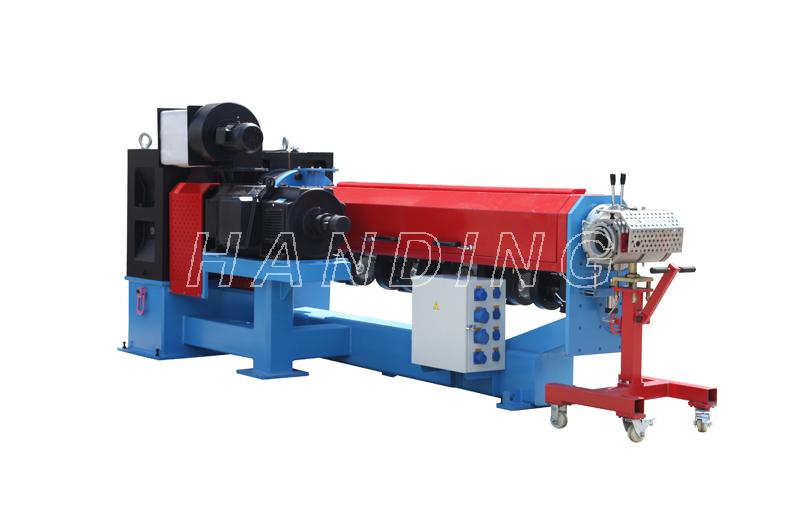
You might ask: what is an extruder? An extruder machine pushes raw material through a die to create continuous, uniform products. This process works for many materials. A plastic extruder machine makes pipes, films, and packaging. In food processing, food extrusion produces snacks, pasta, textured proteins, and breakfast cereals. Food extrusion also allows for new product shapes. The extrusion machine market shows strong growth. It reached USD 8.9 billion in 2024 and expects USD 11.5 billion by 2030, with a CAGR of 4.5%. This growth highlights the importance of this equipment in modern manufacturing. Another plastic extruder machine application is in cable insulation. Understanding the extruder machine's function helps you choose the right equipment. The extrusion process determines the final product quality. The extrusion step requires precise control. This helps you achieve a consistent product.
Key Takeaways
An extruder machine turns raw materials into continuous products like pipes, films, and snacks.
The extrusion process has four steps: feeding, melting, die shaping, and cooling.
Plastic extruders make pipes, films, and cable insulation; food extruders make cereals and snacks.
Pick an extruder by thinking about your material, how much you need to make, and the help you can get.
Proper care and expert tips can cut downtime and boost product quality.
How an Extruder Machine Works
Learning how extrusion works shows why this machine is so reliable. Every extruder machine follows the same basic steps, whether it handles plastic pellets or food ingredients. The whole process has four clear stages that work together smoothly.
The Core Process: Feeding, Melting, and Shaping
Step 1 — Feeding: The hopper holds and measures your raw material into the barrel. Pellets or granules go through the feed throat and into the screw channel at a steady rate. A stable input sets the starting point for the whole process.
Step 2 — Melting and conveying: The screw turns to move material forward while heating and mixing it. This makes a uniform melt. The screw has three different zones for different jobs. The feed zone moves solid pellets with the same flight depth. The compression zone makes the flight depth smaller, squeezing the thermoplastic and starting plastication. The metering zone gives a steady, uniform melt at a reduced depth.
Step 3 — Die shaping: The die changes the melt into your desired shape. This could be a pipe annulus, a flat sheet, or a complex shape. The die also creates flow resistance, which builds the pressure needed for even output.
Step 4 — Cooling and sizing: Cooling fixes the shape using water baths, air systems, or vacuum sizing. Hard tubes and pipes use vacuum calibration to keep exact sizes. Air systems with fans control temperature spikes to keep the melt within set limits.
Essential Components: Screw, Barrel, and Die
The screw, barrel, and die are the core of any extrusion machine. The barrel holds the screw and gives outside heat. The screw moves, squeezes, and mixes the material. The die decides the final shape of your product.
Screw design has a big impact on output quality. The length-to-diameter (L/D) ratio changes by use. Wire and cable insulation usually uses a 24:1 to 30:1 ratio. Blown film operations need 28:1 to 32:1. Compression ratio also matters. Polyethylene uses a 3-4 ratio, while ABS uses only 1.6-2.5. These numbers make sure melting and pressure buildup happen correctly.
A plastic extruder machine needs these parts to work together. The same ideas apply to food extrusion, where the machine shapes snacks and cereals. When you ask what is an extruder, the answer is in this careful mechanical dance. Each extruder setup fits specific materials and product needs. Picking the right setup decides your final product quality and how fast you can make it.
Key Applications of Extrusion Machines
An extruder machine is used in many industries. It makes continuous products from plastics, food, and metals. The process changes to fit each material. Let's look at the main uses.
Plastic Extruder Machine Uses in Pipes and Films
A plastic extruder machine makes pipes for construction, farming, and telecom. Global demand for plastic pipes comes from building projects and digital connections. The construction segment holds the biggest revenue share in the extrusion machine market. In 2024, it made up 31.6% of the market. The packaging sector is also growing fast. It expects a compound annual growth rate of 5.3% over the forecast period.
Segment | Metric | Value |
|---|---|---|
Construction | Revenue share (2024) | 31.6% |
Packaging | Forecast CAGR | 5.3% |
Extrusion accounts for about 36% of all plastics processing worldwide, making it one of the most cost-effective manufacturing methods in the polymer industry.
A plastic extruder machine also makes films. You can make flat film through a slit die or blown film through a circular die. The blown film process blows a tube into a bubble, then cools and flattens it into rolls. This method gives exact control over thickness. Blown film extrusion is used for packaging. Common products include packaging films, farm covers, and shrink wraps. Other plastic extrusion products include:
Wire insulation and conduits
Profiles for windows and doors
LED light diffusers
Solar panel mounting parts
Custom packaging inserts
The plastic extruder machine is flexible. Each plastic extruder machine is built for a specific product. The screw and die setup decides the final product shape and quality. You can pick single or twin-screw designs based on your material and output needs. The extruder decides the output quality. The extruder screw design matters for steady output. The extruder is the core of the system. Extrusion is a common process for plastics.
Food Processing and Metal Extrusion
Food extrusion is widely used in the food industry. It makes snacks, pasta, breakfast cereals, and textured vegetable protein. The food extrusion market is large. In 2024, the market size hit USD 63.3 billion. It is expected to grow to USD 74.5 billion by 2030, with a CAGR of 4.7% from 2025 to 2030. Europe held the largest regional share at 44.2% in 2024.
Metric | Value |
|---|---|
2024 Market Size | USD 63.3 billion |
2030 Market Forecast | USD 74.5 billion |
CAGR (2025-2030) | 4.7% |
Europe Market Share (2024) | 44.2% |
Food extruders cook and shape raw materials in one continuous process. You can make many products:
Breakfast cereals
Ready-to-eat snacks
Baby foods
Soy sticks
Cookies and bread sticks
Food extruders are flexible. Food extrusion lets you create new textures and shapes. You control temperature, pressure, and screw speed to adjust the final product. Food extrusion is a continuous process that needs exact control. Food extrusion is popular in Europe due to high demand. An extruder machine for food must meet specific hygiene standards.
Metal extrusion is another key use. You can make profiles, rods, and tubes from aluminum, steel, and other metals. Industries use these products for construction, cars, planes, and electronics. The metal extrusion process creates a high-quality product. The extruder in a metal line is strong. You can find extruded metal in:
Window and door frames
Car chassis and crash structures
Heat sinks and LED housings
Conveyor parts and machine frames
Solar panel frames and wind turbine parts
Extruded metal profiles are used in many industries. The metal extrusion process pushes a heated billet through a die to form a continuous profile. You can get complex cross-sections with high precision. This makes the process a key manufacturing method for many industries.
Extrusion in Wire and Cable Manufacturing
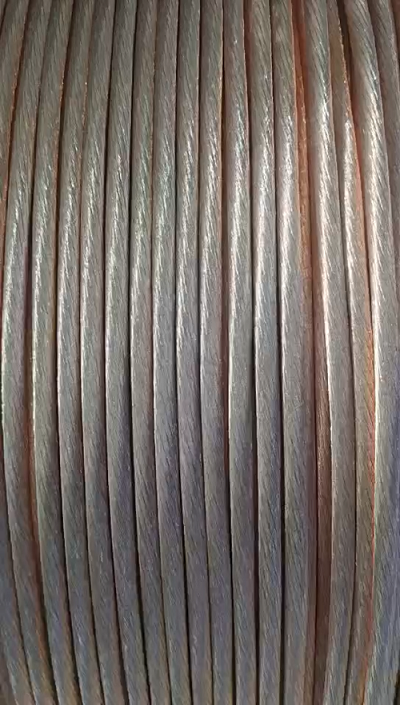
Wire and cable making depends a lot on extrusion. You need a good extruder machine to put insulation and sheathing layers on conductors. This step keeps the cable safe from weather and electrical noise. Special wire and cable extrusion lines are designed for this job. These systems work with many materials and give steady, high-quality results.
Insulation and Sheathing with Various Materials
The material you pick decides how the cable performs and lasts. Each polymer has different benefits for different uses. PVC gives strength and flexibility while fighting oils, acids, and alkalis. PE is light and has great water resistance. XLPE resists heat, oxidation, and electrical stress, so it is great for power cables. FEP gives very good electrical insulation and chemical resistance. Silicone rubber stays very flexible even in tough conditions.
Material | Key Properties |
|---|---|
PVC | High resistance to fire and chemicals; keeps shape over a wide temperature range |
PE | Denser and harder than PVC; highly electrically insulative; resists cracking |
XLPE | Resists heat, oxidation, water, acids, alkalis, and electrical currents |
FEP | Excellent electrical insulation, UV and chemical resistance; very tough and flexible |
Silicone | High flexibility, great flame retardance, heat resistance |
Your plastic extruder machine must handle these materials with care. Specialized extrusion lines work with PVC, PE, XLPE, FEP, and silicone rubber. Each system is designed to give highly centered insulation layers, avoiding thin spots and off-center areas. You get better electrical safety and longer life for every cable you make.
The extrusion machine also runs fast and has few failures. Continuous automatic production keeps a steady speed and little downtime. You lower labor costs and raise total output. Advanced temperature control and synchronized pull systems keep product sizes the same. This precision cuts waste and keeps stable performance over long runs.
Advanced Technologies for Specialty Cables
Modern cables need more than basic insulation. High-frequency and electric vehicle uses require advanced manufacturing methods. Dual-layer co-extrusion and physical foaming are integrated into modern systems. These new ideas create premium cables with better performance.
Dual-layer co-extrusion puts on multiple layers at the same time. This method avoids separate extrusion passes and reduces handling. You get better control of layer distribution, dividing total wall thickness exactly among several polymer layers. Each layer has a specific job, like electrical insulation, mechanical protection, or surface traits. The result is a smaller and more uniform cable design with thinner insulation and shielding layers. This smaller size and lighter weight are key for EV uses.
The performance gains are clear. In transfer impedance testing, dual-layer co-extrusion gives lower transfer impedance compared to traditional aluminum/PET with braid, meaning better shielding for high-frequency signals. Cold bend tests at low temperatures show no cracking, proving flexibility and durability for EV cable routing.
Physical foaming creates foamed insulation for high-frequency coaxial cables. This process uses less material while keeping electrical performance. Skin-foam-skin extrusion lines are also available for HD digital TV and special high-frequency cables.
For data communication cables, drawing and extrusion tandem lines combine drawing, annealing, and extrusion steps. These integrated systems support continuous production of Cat5 and Cat6 cables. You remove intermediate handling steps, cutting semi-finished product loss and raw material waste. Synchronous double-layer extrusion raises overall efficiency compared to older two-pass methods.
Your extruder setup can switch between materials or settings quickly. This flexibility supports many manufacturing needs. Advanced PLC and parameter management reduce labor needs and improve consistency. Segmented heating and variable frequency drives lower power use compared to fixed-frequency systems. Every product you make benefits from these smart, energy-saving design choices.
Choosing the Right Extrusion Machine
Picking the right equipment affects your product quality and profits. You need to think about several things before buying. The best extruder machine fits your materials, output goals, and long-term needs.
Factors to Consider: Material, Output, and Customization
Material compatibility comes first. Each polymer has unique heat and strength traits. PVC needs careful temperature control during processing. PP and PE flow easier and handle wider temperature ranges. Your material choice also affects screw design. Single-screw extruders work well for simpler jobs. Twin-screw systems mix complex compounds better. Think about these material factors:
Melt Flow Index (MFI) – higher values mean easier flow for complex shapes
Thermal stability – materials must handle heat without breaking down
Mechanical properties – tensile strength and impact resistance matter
Chemical resistance – products may face solvents or UV exposure
Shrinkage and warping – predict cooling behavior for accurate sizing
Factor
Key Consideration
Production Capacity
Define daily output; high volume may need twin-screw systems
Product Type
Pipes use round dies; sheets need flat dies and chill rolls
Automation & Control
PLC systems and touchscreen interfaces reduce errors
Support & Maintenance
Training and spare parts availability ensure uptime
Custom solutions are available for your needs. You can pick from double-layer co-extrusion lines, skin-foam-skin systems, high-output setups, or standard models. The team helps cable companies choose the right model. This ensures your extrusion machine fits your exact production needs.
Evaluating Support and After-Sales Service
Technical support prevents costly downtime. A full service contract with guaranteed 24-hour response can significantly reduce costs. Scheduled preventive maintenance extends machine life and prevents major failures.
A European pipe maker replaced old lines with new equipment. With free installation, training, and ongoing technical support, they cut downtime within months.
Service contracts provide cost-effective insurance. Manufacturers provide installation and startup support. They offer 24/7 technical help and fast after-sales service. Custom production line design reduces downtime. With years of experience, they serve customers in many countries. Your plastic extruder machine investment deserves this protection. The right extrusion partner keeps your food extrusion lines and other systems running well. Every product you make benefits from reliable equipment and quick support.
You now understand what an extruder machine does. It shapes raw materials into continuous, uniform products across many industries. A plastic extruder machine creates pipes, films, and cable insulation. Food extrusion produces snacks and cereals. Each extrusion machine serves a specific purpose.
Choosing the right equipment matters. You must match the extruder to your material and output needs. Understanding the working principle helps you make an informed purchase. The correct extrusion machine improves your product quality and efficiency.
Consider your application carefully. Consult experts like Handing Machinery for tailored solutions. Their team helps you select the right extruder for your production goals. Contact them today to elevate your manufacturing capabilities.
FAQ
What materials can an extruder machine process?
You can process many materials. An extruder machine handles PVC, PE, XLPE, FEP, and silicone rubber. Each material offers different properties. Your choice depends on your product needs.
How does a plastic extruder machine differ from food extrusion equipment?
A plastic extruder machine uses high temperatures for polymer melting. Food extrusion uses lower heat and often adds cooking. Both systems use a screw and die. Your material choice determines the machine design.
What is an extruder used for?
This machine pushes material through a die to create a continuous shape. You use it for making pipes, films, cable insulation, and food products. This process gives you a uniform product.
What maintenance does an extrusion line need?
You need regular cleaning of the screw and barrel. Check wear on the die and heating zones. Good care gives you steady output and longer machine life. Schedule preventive service.