


How to Choose a Wire Extrusion Machine for Cable Manufacturing
 Aug 07, 2026|
 View:193
Picking the right wire extrusion machine determines your work efficiency during cable manufacturing. You need to check key factors to ensure long-term success: wire size, insulation material compatibility for PVC, XLPE, or LSZH, line speed, and machine strength.
Choosing precise extrusion machines for cable production helps you stop wasting materials and increase total output. Industry reports show the equipment market will grow 13% each year from 2026 to 2033 for large factories.
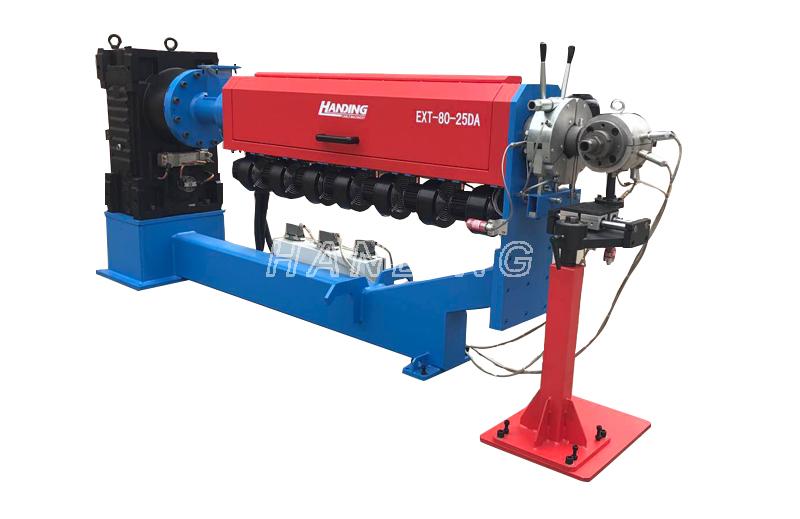
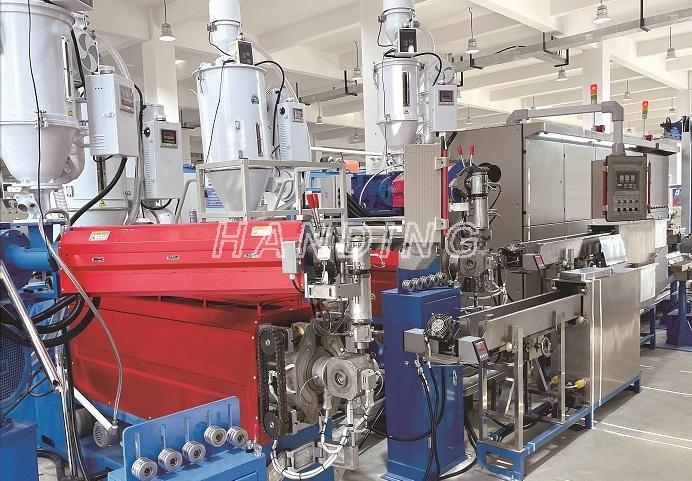
Handing (Jiangsu Handing Machinery Co., Ltd.) provides modern wire equipment and complete production line solutions. Handing builds strong systems to improve your manufacturing results with total operational control.
Key Takeaways
Make sure your machine's screw design and wire size match the exact insulation materials you use, such as PVC or XLPE.
Use modern PLC controls and built-in quality tools to avoid wasting materials and prevent wire flaws.
Select co-extrusion systems to put on several plastic layers together and increase total plant manufacturing rates.
Buy energy-saving drive motors and strong gearboxes to lower your power bills and avoid costly machine breakdowns.
Core Criteria for Selecting a Wire Extrusion Machine
Industry surveys show engineering teams prioritize three specific selection criteria:
Define Your Conductor Size Range: The extruder screw diameter and crosshead bore must be matched to the planned range of conductor sizes to prevent issues like material degradation.
Match the Machine to Your Primary Insulation Material: The machine must be specified with features (e.g., barrel type, drive torque, crosshead design) suitable for the primary material(s) like PVC, LSZH, or XLPE.
Evaluate the Control System: A modern PLC-based control system with features like recipe storage and closed-loop diameter control is prioritized for reducing setup time, operator error, and material waste.
Conductor Size Range and Target Line Speed
You must select a wire extrusion machine that handles your exact conductor dimensions efficiently. Larger solid conductors demand higher polymer melt volumes and continuous pressure. Conversely, thin copper wire products require high line speeds and precise tension management to prevent stretching. Matching your conductor dimensions with drive motor capacity protects overall line performance. Proper equipment sizing prevents scrap material losses during rapid line acceleration and slowdown phases.
Modern cable manufacturing processes demand steady material delivery across variable line speeds. Plant managers must analyze expected output volumes before purchasing new machinery. Running small conductors on oversized equipment causes prolonged material residence times inside heating zones. Excessive heating decomposes sensitive polymer compounds. Operating large conductors on undersized units causes severe thermal overload and uneven insulation walls. Selecting specialized cable making machines supports high line output rates while maintaining superior product quality.
Line speed capabilities rely heavily on effective cooling systems and pay-off tension units. When you increase wire throughput speeds, cooling troughs must provide sufficient water contact time to cool the moving conductor completely. Inadequate cooling creates dimensional instability during final spooling operations. You need to verify that capstans and take-up drives maintain smooth synchronization with main extruder drives. Proper drive integration prevents line surging, wire breakage, and erratic wall thickness variations during continuous shifts.
Insulation Material Compatibility and Screw Design
Different insulation polymers require specialized screw geometry to achieve complete melt homogeneity. Screw length-to-diameter ratios directly control friction and shear heat generation during the extrusion process.
Compound Type | Recommended L/D Ratio | Purpose / Reason |
|---|---|---|
PVC compounds | 24:1 to 28:1 | For processing temperature-sensitive PVC material. |
XLPE compounds | 32:1 to 36:1 | For achieving uniform dispersion of the crosslinking agent. |
You must specify targeted screw profiles for flame-retardant compounds like LSZH. Processing heat-sensitive polymers demands complete temperature management. You should verify component machining quality before placing equipment orders. Handing provides high-precision CNC machined screw and barrel components engineered for smooth material plasticization and output consistency. Ultra-mirror polishing achieves a surface roughness Ra value under 0.025 μm on single-screw units. This fine surface finish minimizes internal friction and ensures reliable thermal stability. Precision technology preserves polymer properties without causing thermal breakdown. Handing builds high-grade cable making machines to elevate factory operational performance. Advanced manufacturing technology ensures long operational lifespans and reliable line output under continuous production conditions.
Proper screw channel depth and compression ratios prevent air entrapment during resin feeding. When extruding dense compounds, improper screw flight design causes resin gels in the insulation wall. Machine operators can store optimal processing recipes on modern controls.
Types of Cable Making Machines and Applications
Single-Screw vs. Co-Extrusion Systems
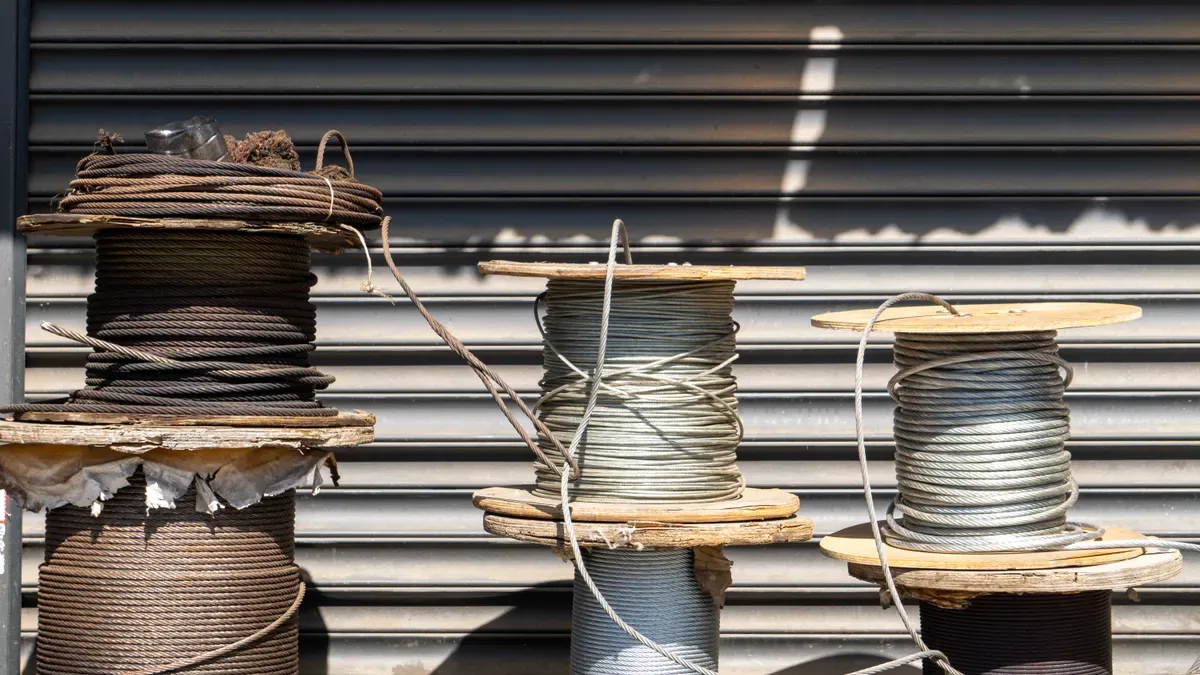
You can select different cable making machines based on your specific layer requirements. Single-screw systems process basic insulation covers using standard polymers like PVC, XLPE, or LSZH. These units handle one polymer material layer at a time. Co-extrusion systems apply multiple material layers simultaneously over a core. A multi-layer setup injects skin and stripe layers together, improving total bond strength between polymers.
System Type | Typical Applications | Typical Output Rate (kg/h) |
|---|---|---|
Single-Screw Extrusion System | PVC, XLPE, PE, LSZH | 10 – 200 |
Large-Scale Co-extrusion System | XLPE + semiconducting screen | 300 – 2,000+ |
Co-extrusion technology speeds up your primary line operations significantly. You save valuable factory floor space by replacing multiple single-pass machines with one integrated line. Selecting co-extrusion equipment enhances line performance, helping plant teams lower production costs effectively.
High-Speed Insulation vs. Heavy Sheathing Lines
High-speed insulation lines apply thin polymer jacketing onto thin conductor strands. These specialized cable making machines run at rapid line speeds to boost hourly production. You rely on precise tension regulation during high-speed wire production to prevent metal stretching. Modern line controls adjust drive motors quickly, keeping wire tension perfectly stable across long runs.
High-speed line setups optimize material flow rates during thin-wall core insulation tasks.
Heavy sheathing units process thick outer protection layers over large cable assemblies. These robust machines handle demanding cable manufacturing processes with high mechanical power. Operators rely on advanced cable making equipment to process tough outer sheathing compounds consistently. Heavy sheathing units feed dense polymers into the crosshead using a steady continuous extrusion process. Modern technology protects deep material layers from internal structural defects. Selecting robust cable making machines maximizes total output performance across every heavy manufacturing cycle.
Inspecting Extrusion Machines for Cable Production
Precision Crosshead and Thermal Control
You must inspect the crosshead setup to prevent wall thickness variations and costly material waste. Precise alignment between the tip and die guarantees centered wire insulation layer delivery during continuous operations.
Crosshead misalignment between the tip and die directly creates an eccentric insulation wall.
Gravity sag in horizontal heads pulls low-speed conductors downward, creating uneven bottom thickness.
Damaged tips fail to center the core properly inside the die head during production.
Conductor bends with curve radii between 5 to 20 meters can cause eccentricity errors up to 40 micrometers.
Handing builds specialized crossheads that eliminate eccentricity during your cable manufacturing process. Steel housing components receive sand-blasting treatments to maximize overall structural durability and surface strength. Advanced heating systems maintain precise temperature levels inside the head zone.
Application Context | Typical Temperature Control Accuracy (±°C) |
|---|---|
Commodity plastics | ±2°C |
High-performance applications | ±1°C or better |
PLC Controls and In-Line Quality Gauges
Modern extrusion technology relies on intelligent PLC systems to run real-time process monitoring across the whole line. Handing integrates smart control hardware that stabilizes melt pressure and regulates parameter recipes automatically. Reliable automation boosts machine performance while removing manual setup mistakes from daily operations.
Inspectors check running conductors for visual defects like fine scratches, surface pits, resin gels, and die lines before final take-up. Early detection prevents defective products from reaching final packaging steps. In-line optical outer diameter gauges measure cable thickness continuously, instantly signaling the drive motor to adjust puller speed. Spark testers detect microscopic pinholes through high-voltage insulation checks, helping you fix flaws before shipping products.
Optical outer diameter gauges and spark testers reduce scrap rates by instantly identifying wire insulation defects.
Investing in top-grade extrusion machines for cable production protects your factory floor from line downtime. Precision crossheads, stable thermal zones, and automated quality gauges ensure consistent line performance. Handing delivers complete wire extrusion machine solutions engineered for maximum operational output.
Evaluating Total Cost of Ownership and ROI
Energy Efficiency and Durable Drive Systems
You should look beyond initial equipment prices when calculating total operational expenses. Modern wire drive motors cut electrical power consumption significantly during long manufacturing shifts. High-efficiency drive systems protect your plant from rising power costs. Advanced motor systems lower total energy bills while preserving strong line output. You achieve clear power expense control over many years of heavy factory work.
Heavy-duty gearboxes maintain steady output performance while reducing mechanical friction wear. High-precision drive units limit extra heat generation inside control cabinets, keeping internal parts safe during continuous runs. Direct-drive designs remove power transmission losses between the motor shaft and screw. Robust drive systems ensure stable torque distribution across the complete cable manufacturing process. Reliable drive machinery boosts your return on investment by preventing sudden motor failures and costly plant downtime.
Maintenance, Spare Parts, and Technical Support
Planned maintenance routines protect your main wire line from costly emergency shutdowns. High-quality cable making machines feature open service points to simplify daily lubrication checks for plant workers. Fast replacement of worn screw and barrel parts preserves original output rates during busy schedules. Standard component layouts help repair crews finish regular inspection jobs quickly without delaying active production runs. Simple diagnostic tools allow plant teams to fix small operational problems before major equipment failures happen.
Dependable equipment suppliers offer fast access to key spare parts and replacement assemblies. Handing supports industrial manufacturing plants with modern technology and quick delivery of key parts to protect your profits. Helpful technical support teams guide operators to tweak machine settings for smooth production line performance. Ongoing service options ensure high equipment uptime across every working shift. Buying sturdy cable making machines brings low upkeep costs and reliable performance to growing factory operations.
Supplier Evaluation and Procurement Checklist
Technical Specification Audits
You must perform detailed audits on core line components to secure long-term system performance. Technical specification audits verify component metallurgy standards before assembly. Plant engineers check material certificates to validate component durability for high volume manufacturing needs.
You evaluate screw wear resistance using specific hardness values and geometric measurements.
Checklist Item | Specific Evidence from Answer |
|---|---|
Screw Metallurgy Hardness | Verify surface hardness on flight tips and root using a portable hardness tester. Acceptable values include: Nitrided 38CrMoAlA (HV 900–1,100), Hardfaced Colmonoy 56 (50–55 HRC), and Hardfaced Tungsten-Carbide (~59–64 HRC). |
Documentation for Screw | Required documentation includes Material Certificate (38CrMoAlA mill cert), Hardness Report (surface values and case depth), Dimensional Inspection Report, and Straightness/TIR Record. |
Dimensional & Geometric Checks | Measure flight outer diameter, root diameter, length, pitch, and drive end dimensions against drawing specifications. |
Surface Finish & Coating | Inspect polish on flight faces. Verify chrome plating thickness (~0.05–0.10 mm) and check hardfacing welds for continuity. |
Straightness (TIR) | Check straightness using V-blocks and dial indicator. Specification: 0.05–0.1 mm TIR per meter length. |
You complete key inspection tasks on barrel and screw assemblies during audits:
Measure screw flight outer diameter and barrel bore inner diameter at multiple points.
Inspect for visible grooves, cracks, or surface damage on assemblies.
Monitor motor amperage as an indicator of wear.
Detecting clearance growth early predicts replacement timing during the extrusion process before output drops.
Factory Acceptance Testing and After-Sales Service
Factory acceptance testing validates operational capabilities before shipment. You observe machine behavior under running conditions to confirm drive technology stability. Trial runs help engineering teams check integration across the entire cable manufacturing process. Utilizing advanced cable making equipment ensures reliable output speeds while maintaining quality metrics.
Modern cable making machines require continuous service support to sustain high output levels. Partnering with reliable suppliers gives your plant access to expert engineers. Technical support optimizes setup configurations during manufacturing cycles. Superior machine technology guarantees strong line performance across every output schedule. High-quality cable making machines deliver operational value.
Choosing the best wire extrusion machine means balancing wire sizes, material needs, and total working expenses. Buying accurate screws, stable heating crossheads, and tough drive motors safeguards your wire line operations. Handing offers complete line solutions for busy cable manufacturing plants. We back all machines with strong design research, careful testing, and continuous technical help. Our modern equipment stops material waste, improves total output, and increases cable product quality every day. Talk with Handing’s expert technical team now to build custom production lines for your factory.
FAQ
How do you select the right wire extrusion machine for your plant?
You should pick a wire extrusion machine that fits your wire sizes and plastic types. Always check the machine speed, heat controls, and screw shape. Looking at these parts helps you make good cables and stops material waste.
Why does polymer choice impact cable making machines?
Plastics like PVC and XLPE need special screw shapes to melt well. Matching your plastic type to the right cable machine stops the material from burning. This setup helps you make smooth, even covers on every cable run.
How does co-extrusion enhance the core jacket process?
Co-extrusion systems put several plastic layers on a cable at the exact same time. This simple method saves extra factory space, boosts line speeds, and sticks layers together. Buying smart co-extrusion machines helps cut your total plant costs.