


 Oct 27, 2026
 View:22
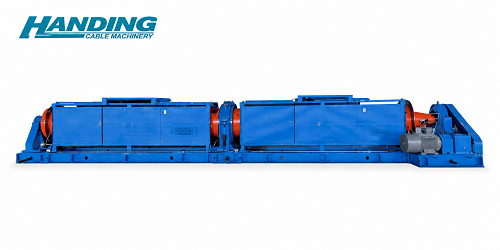
Choosing the right JGGB Bearing Type Tubular Strander is an important decision for cable manufacturers seeking equipment that matches their conductor specifications, production requirements, and factory layout. The JGGB series includes the JGGB-500 and JGGB-630 models, which have different wire diameter ranges, cage rotation speeds, stranding pitch ranges, and main motor power ratings. Understanding these differences helps buyers evaluate which tubular stranding machine is appropriate for their manufacturing process.
Before selecting a machine, manufacturers should consider the material being processed, individual wire diameter, required finished conductor diameter, stranding pitch, capstan speed, and bobbin configuration. This guide explains how to evaluate a JGGB Bearing Type Tubular Strander, compare the two available models, and prepare the technical information needed when requesting a quotation from Handing Cable Machinery.
Looking for a JGGB Bearing Type Tubular Strander?
Review the key specifications of the JGGB-500 and JGGB-630, then discuss your wire materials, conductor dimensions, and production requirements with Handing Machinery.
Explore Handing Machinery1. What Is a JGGB Bearing Type Tubular Strander?
A JGGB Bearing Type Tubular Strander is an industrial wire stranding machine designed to combine multiple individual wires into a stranded conductor. It is intended for wire and cable manufacturing applications involving materials such as copper, aluminum, and steel, subject to the machine's specified processing range and configuration.
Tubular stranding equipment typically coordinates wire feeding, a rotating stranding assembly, conductor forming, pulling, and take-up. During production, individual wires are brought together and twisted into the required conductor structure. The resulting product can then proceed to subsequent cable manufacturing processes, depending on the production line design.
For cable manufacturers, the main purpose of equipment selection is to ensure that the machine can accommodate the required wire sizes, conductor diameter, stranding pitch, and production conditions. A model that matches these requirements can help establish a suitable production process, while an unsuitable configuration may limit the range of conductors that can be manufactured.
What Is a Bearing Type Tubular Strander Used For?
A bearing type tubular strander is evaluated for its role in wire stranding and conductor manufacturing. The specific applications depend on the equipment design, tooling, material characteristics, and conductor construction.
Copper wire stranding: Combining individual copper wires into a specified conductor structure.
Aluminum wire stranding: Processing compatible aluminum wire sizes for designated cable applications.
Steel wire stranding: Supporting suitable steel wire stranding processes within the machine's technical limits.
Insulated wire processing: Evaluating compatibility with the required insulated wire construction and production process.
Buyers should confirm the intended application with the manufacturer before ordering. Material compatibility, conductor construction, and the complete machine configuration should be verified rather than assumed from the product name alone.
2. What Should You Consider Before Choosing a Tubular Strander?
Selecting a tubular stranding machine starts with the requirements of the finished conductor. Instead of comparing machine prices or motor power alone, manufacturers should establish the specifications that the equipment must meet.
Wire Material and Individual Wire Diameter
Copper, aluminum, and steel wires have different material properties and processing requirements. The individual wire diameter determines whether a machine can accommodate the incoming material. For example, the published JGGB-500 and JGGB-630 specifications list different processing ranges for aluminum wire, while their listed steel wire diameter ranges are the same.
Before purchasing a JGGB Bearing Type Tubular Strander, confirm the actual material, minimum and maximum wire diameter, number of wires, and conductor arrangement. If the production line processes multiple materials or wire sizes, evaluate each required production condition against the machine specifications.
Finished Conductor Diameter
Finished conductor diameter refers to the overall diameter of the stranded conductor, rather than the diameter of an individual input wire. It is an important selection parameter because the final conductor must fit within the machine's supported operating range.
The supplied JGGB product specification lists a finished diameter of 15 mm for both the JGGB-500 and JGGB-630. Buyers should confirm how this value is defined in the manufacturer's technical documentation and whether the intended conductor construction is compatible with that specification.
Required Stranding Pitch
Stranding pitch is the axial distance along a conductor over which a wire completes one full helical turn. It influences the geometry of the stranded conductor and must match the required cable design.
According to the supplied product specifications, the JGGB-500 has a stranding pitch range of 26–197 mm, while the JGGB-630 has a range of 35–265 mm. Buyers should compare the required pitch with the available range and confirm the applicable operating conditions with the manufacturer.
Production Speed and Main Motor Power
Cage rotation speed, capstan speed, and stranding pitch are important parameters when evaluating production conditions. However, a higher cage rotation speed or greater motor power does not automatically guarantee higher finished output. Actual production performance depends on conductor construction, operating settings, material characteristics, and other process limitations.
The JGGB-500 is listed with a cage rotation speed of 600 rpm and a 30 kW main motor. The JGGB-630 is listed with a cage rotation speed of 450 rpm and a 45 kW main motor. These differences should be evaluated alongside the wire diameter range, stranding pitch, and target conductor requirements.
3. JGGB-500 vs. JGGB-630: What Are the Differences?
The JGGB-500 and JGGB-630 are two models in the JGGB Bearing Type Tubular Strander series. Both are designed for wire stranding applications, but their published specifications differ in several areas. Comparing these parameters helps manufacturers identify which model deserves further technical evaluation.
| Technical Parameter | JGGB-500 | JGGB-630 |
|---|---|---|
| Model | JGGB-500 | JGGB-630 |
| Copper wire diameter | 1.2–3.5 mm | 1.2–3.5 mm |
| Aluminum wire diameter | 1.5–4.0 mm | 1.5–5.0 mm |
| Steel wire diameter | 1.0–3.0 mm | 1.0–3.0 mm |
| Finished diameter | 15 mm | 15 mm |
| Cage rotation speed | 600 rpm | 450 rpm |
| Stranding pitch | 26–197 mm | 35–265 mm |
| Capstan speed | 110 m/min | 110 m/min |
| Capstan wheel diameter | 1,250 mm | 1,250 mm |
| Pay-off bobbin | PND500 | PND630 |
| Take-up bobbin | PN1000–PN1600 | PN1000–PN1600 |
| Main motor power | 30 kW | 45 kW |
Note: The specifications above are transcribed from the supplied JGGB product image. Confirm the latest technical datasheet, operating conditions, and configuration with Handing Machinery before placing an order.
When Should You Consider the JGGB-500?
The JGGB-500 may be a suitable candidate when the required wire diameter, finished conductor diameter, stranding pitch, and production conditions fall within its published specifications. Its listed cage rotation speed is 600 rpm, and it uses a PND500 pay-off bobbin.
Manufacturers should also consider the required conductor construction, material loading, and compatibility with the existing production line. The model should be selected only after confirming that its complete configuration can support the intended application.
When Should You Consider the JGGB-630?
The JGGB-630 may be worth evaluating when the production requirement includes aluminum wire diameters up to the listed 5.0 mm limit or a required stranding pitch within its published range of 35–265 mm. It uses a PND630 pay-off bobbin and has a listed main motor power of 45 kW.
Its lower listed cage rotation speed compared with the JGGB-500 should also be considered when reviewing process requirements. Buyers should not assume that the higher motor power means a higher production speed. The final selection should be based on verified technical compatibility and the manufacturer's recommendations.
Compare JGGB-500 and JGGB-630 for Your Application
Share your wire diameter, material, required stranding pitch, and target conductor specifications to discuss which JGGB tubular strander configuration is suitable for your production line.
Contact Handing Machinery4. How to Choose the Right JGGB Bearing Type Tubular Strander
A reliable selection process should combine product specifications, production requirements, installation conditions, and supplier support. The following steps provide a practical framework for cable manufacturers evaluating a JGGB Bearing Type Tubular Strander.
Step 1: Define the Conductor Construction
Start by identifying the conductor material, individual wire diameter, number of wires, finished conductor diameter, and required wire arrangement. If available, prepare a conductor drawing or product specification sheet. These details help the equipment manufacturer determine whether the proposed machine can accommodate the required construction.
Step 2: Match the Required Pitch to the Machine
Confirm the stranding pitch required for each target product. Compare the required values with the published pitch range of the JGGB-500 or JGGB-630, then ask the manufacturer to verify the applicable operating conditions. If several conductor products will be processed, check each product individually instead of relying on a single representative specification.
Step 3: Evaluate the Production Target
Define the expected production volume, operating schedule, and required line speed. Cage rotation speed and capstan speed are useful reference parameters, but actual output also depends on conductor design, setup time, material changes, and downstream processing. Request clarification on the operating conditions associated with any quoted production figures.
Step 4: Check Bobbin Specifications and Material Handling
Pay-off and take-up bobbin specifications affect material loading, handling procedures, and production planning. The JGGB-500 uses a PND500 pay-off bobbin, while the JGGB-630 uses a PND630 pay-off bobbin. Both models list PN1000–PN1600 take-up specifications in the supplied product information.
Confirm that these bobbin specifications match your material supply and winding requirements. Also review loading access, material transport, operator access, and compatibility with the rest of the production line before finalizing the equipment layout.
Step 5: Review Installation and Electrical Requirements
Before ordering, confirm the machine footprint, foundation requirements, electrical supply, operating environment, and required connections to other production equipment. The main motor ratings are listed as 30 kW for the JGGB-500 and 45 kW for the JGGB-630, but the complete electrical requirements should be obtained from the manufacturer.
Step 6: Evaluate the Manufacturer and Technical Support
When comparing tubular strander manufacturers, review the technical documentation, equipment configuration, acceptance criteria, spare parts availability, and scope of installation and commissioning support. Clarify operator training, warranty terms, and the availability of technical assistance before signing a purchase agreement.
A clear technical discussion helps both parties establish realistic expectations for equipment suitability and delivery requirements. Buyers should compare quotations based on equivalent technical specifications and included services rather than purchase price alone.
5. What Information Is Needed to Request a Tubular Strander Quotation?
Providing complete technical information can help a tubular strander manufacturer assess your requirements more accurately. Before requesting a quotation for the JGGB Bearing Type Tubular Strander, prepare the following details whenever possible:
Wire material: Copper, aluminum, steel, or another specified material.
Individual wire diameter: Minimum and maximum diameters to be processed.
Finished conductor diameter: The required final conductor size.
Conductor construction: Number of wires, wire arrangement, and technical drawing if available.
Required stranding pitch: The pitch range or specific values needed for production.
Production target: Required output, operating schedule, and relevant line-speed expectations.
Bobbin requirements: Preferred pay-off and take-up specifications.
Factory conditions: Available installation space, electrical supply, and existing equipment.
Project requirements: Destination country, expected project schedule, and support needs.
If you manufacture several types of conductors, include the specifications for each product. This allows the supplier to assess the required operating range and identify any configuration limitations before the purchase decision.
6. Why Consider Handing Machinery for Your Tubular Stranding Requirements?
Jiangsu Handing Cable Machinery Co., Ltd. supplies machinery for wire and cable manufacturing. For buyers evaluating a JGGB Bearing Type Tubular Strander, the published JGGB-500 and JGGB-630 specifications provide a starting point for discussing wire material compatibility, conductor dimensions, stranding pitch, bobbin requirements, and motor power.
The two models have different specifications that may suit different production requirements. The JGGB-500 lists a cage rotation speed of 600 rpm and a 30 kW main motor, while the JGGB-630 lists a cage rotation speed of 450 rpm and a 45 kW main motor. Their aluminum wire diameter ranges, pay-off bobbins, and stranding pitch ranges also differ.
Rather than choosing a machine based on model name alone, cable manufacturers should provide their conductor drawings, material details, target pitch, and production requirements for technical evaluation. This approach helps establish whether the selected configuration matches the intended application.
For the latest specifications and configuration details, consult Handing Machinery directly. Confirm all critical parameters, installation requirements, and support arrangements before placing an order.
Need a JGGB Bearing Type Tubular Strander for Cable Production?
Contact Handing Machinery to discuss your conductor specifications, compare the JGGB-500 and JGGB-630, and request a quotation based on your production requirements.
Request a Tubular Strander Quote7. Frequently Asked Questions About JGGB Bearing Type Tubular Stranders
1. What Is a JGGB Bearing Type Tubular Strander Used For?
A JGGB Bearing Type Tubular Strander is designed for wire stranding applications in cable manufacturing. Depending on the machine configuration and material specifications, it can be used to process copper, aluminum, and steel wires within the specified operating range. Buyers should confirm the conductor construction, required pitch, and finished diameter before selecting a model.
2. What Is the Difference Between JGGB-500 and JGGB-630?
The supplied specifications show differences in aluminum wire diameter range, cage rotation speed, stranding pitch, pay-off bobbin, and main motor power. The JGGB-500 lists 600 rpm and 30 kW, while the JGGB-630 lists 450 rpm and 45 kW. The appropriate model depends on the required conductor specifications and operating conditions.
3. What Wire Diameters Can a JGGB Tubular Strander Process?
According to the supplied product information, both models support copper wire diameters of 1.2–3.5 mm and steel wire diameters of 1.0–3.0 mm. The JGGB-500 lists an aluminum wire range of 1.5–4.0 mm, while the JGGB-630 lists 1.5–5.0 mm. Confirm the latest technical specifications before ordering.
4. How Does Stranding Pitch Affect Cable Production?
Stranding pitch determines the axial distance over which a wire completes one full helical turn around the conductor. It affects conductor geometry and must match the intended cable design. The JGGB-500 lists a pitch range of 26–197 mm, while the JGGB-630 lists 35–265 mm. Verify the required operating conditions with the manufacturer.
5. How Do I Choose a Reliable Tubular Strander Manufacturer?
Evaluate the manufacturer's technical documentation, available machine configurations, specification transparency, and ability to assess your conductor requirements. Also clarify installation and commissioning arrangements, operator training, spare parts availability, warranty terms, and technical support. Comparing quotations against the same technical requirements helps you assess overall suitability rather than focusing on price alone.
6. What Information Is Needed to Request a Tubular Strander Quotation?
Prepare the wire material, individual wire diameter, finished conductor diameter, number and arrangement of wires, required stranding pitch, target output, and bobbin specifications. Factory layout, electrical supply, project schedule, and technical support requirements are also useful. Providing a conductor drawing helps the supplier evaluate the machine configuration more accurately.
Conclusion
Choosing the right JGGB Bearing Type Tubular Strander requires a clear understanding of wire material, individual wire diameter, finished conductor diameter, stranding pitch, production conditions, and bobbin requirements. The JGGB-500 and JGGB-630 have different published specifications, so the most suitable option should be determined by the actual manufacturing application rather than motor power or model number alone.
By preparing detailed conductor specifications and confirming machine compatibility with the manufacturer, cable producers can make a more informed equipment purchasing decision. Contact Handing Machinery to discuss your production requirements and evaluate the appropriate JGGB tubular stranding solution.