



Double Twist vs. Single Twist Bunching Machines
 Oct 12, 2026|
 View:13
Choosing between a double twist bunching machine and a single twist bunching machine can affect conductor quality, production efficiency, and manufacturing costs. For wire and cable manufacturers, the right choice depends on conductor diameter, wire material, required output, finished conductor structure, and the intended cable application.
Handing Machinery is a wire and cable machinery supplier specializing in conductor processing and cable production equipment. With experience in wire and cable machinery manufacturing, in-house machining capabilities, component inspection, and technical support, Handing helps manufacturers evaluate equipment options according to their production requirements. This guide explains the key differences between double twist and single twist machines to help procurement teams and production engineers make informed purchasing decisions.
1. What Is Wire Bunching?
Wire bunching is a conductor processing operation in which multiple individual wires are twisted together to form a flexible stranded conductor. It is widely used in the production of copper and aluminum conductors for electrical wires, automotive cables, communication cables, and other wire and cable products.
A wire bunching machine controls wire feeding, twisting, tension, and take-up to produce a conductor with the required structure and consistency. Depending on the machine design and production process, the equipment may be used for fine-wire bunching, conductor stranding, or related twisting applications.
The main benefits of wire bunching include:
Improved flexibility: Multiple smaller wires can form a more flexible conductor than a solid conductor of comparable cross-sectional area.
Consistent conductor structure: Controlled twisting helps maintain the required lay length and strand arrangement.
Production efficiency: Automated wire feeding, twisting, and take-up can reduce manual handling.
Application flexibility: Different machine configurations can support a range of conductor materials, wire diameters, and finished products.
Although both double twist and single twist machines twist wires together, they use different twisting mechanisms and may be suited to different conductor structures, spool arrangements, and production requirements.
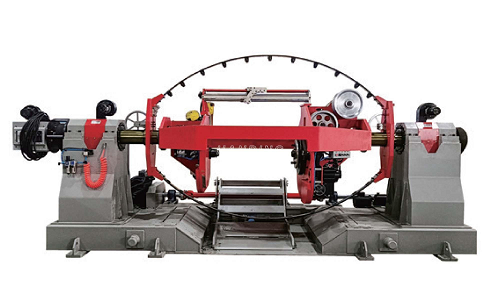
2. How Does a Double Twist Bunching Machine Work?
A double twist bunching machine forms two twists in the conductor during one revolution of its twisting system. This operating principle allows the machine to achieve a relatively high twisting output in suitable fine-wire and small-conductor applications.
How the Double Twist Process Works
Wire pay-off: Individual wires are supplied from pay-off reels or other feeding arrangements.
Wire guiding and tension control: The wires pass through guides and tensioning components to maintain stable feeding.
Twisting: The rotating twisting system applies the required twists as the wires travel through the machine.
Conductor formation: The individual wires are gathered into a stranded or bunched conductor with the specified lay characteristics.
Take-up: The finished conductor is collected on a take-up reel under controlled winding conditions.
The exact wire path and twisting arrangement depend on the machine model. When evaluating a double twist buncher, buyers should confirm the supported conductor diameter, applicable wire materials, reel dimensions, twisting range, and rated production speed.
Typical Applications of Double Twist Bunchers
Double twist bunching machines are commonly considered for applications such as:
Fine copper wire bunching
Flexible conductors for electrical wires
Automotive wire and cable conductors
Communication and data cable conductors, where the machine configuration is suitable
Other small-diameter stranded conductors within the machine's specified operating range
For manufacturers prioritizing twisting output in fine-wire production, a double twist bunching machine may be a suitable option. However, the achievable output depends on wire diameter, strand count, lay length, reel capacity, and the required finished conductor quality.
Need a double twist buncher for your production line?
Share your conductor material, wire diameter, strand configuration, and target output with Handing Machinery to discuss suitable equipment options.
Discuss Your RequirementsExplore Handing's Double Twist Buncher product range to review available equipment options.
3. How Does a Single Twist Bunching Machine Differ?
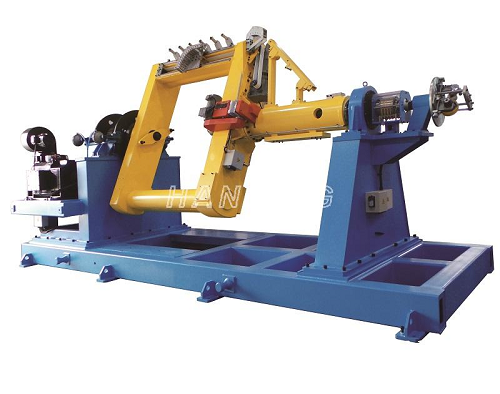
A single twist bunching machine generally applies one twist per revolution of its twisting system. Depending on its design, it may be used for conductor bunching, cable core twisting, or other cabling operations. The suitable configuration depends on the product structure and the number and arrangement of conductors being processed.
How the Single Twist Process Works
Wire or core pay-off: Individual wires, conductors, or cable elements are fed into the machine.
Guiding and tension control: Feeding components help maintain alignment and consistent tension.
Single twisting operation: The twisting mechanism rotates to create the specified twist or lay in the assembled product.
Product alignment: The assembled conductor or cable core passes through guiding components to maintain the required configuration.
Take-up: The finished product is wound onto a reel for subsequent processing or delivery.
Single twist cabling machines are available in different configurations, including cantilever-type, roller-forming, and frame-type designs. These configurations are not interchangeable in every application, so buyers should match the machine structure to the finished product, reel requirements, and production process.
Typical Applications of Single Twist Cabling Machines
Twisting and cabling multiple insulated conductors
Control cable and electrical cable core assembly
Automotive and communication cable production, depending on product design
Multi-core cable manufacturing
Specialized cabling applications requiring a defined lay length or specific product arrangement
A single twist cabling machine may be appropriate when the production task involves assembling multiple conductors or cable elements into a defined cable structure. Buyers should not assume that every single twist machine can process every conductor size or cable construction.
View Handing's Single Twist Cabling Machine range to compare available machine configurations.
4. Double Twist vs. Single Twist Bunching Machines: Key Differences
The most important distinction is the twisting mechanism and the production task each machine is designed to perform. The table below provides a practical starting point for equipment selection. Actual capabilities vary by model and configuration.
| Comparison Factor | Double Twist Bunching Machine | Single Twist Bunching / Cabling Machine |
|---|---|---|
| Twisting principle | Generally produces two twists per revolution of the twisting system. | Generally produces one twist per revolution of the twisting system. |
| Common production focus | Fine-wire and small-conductor bunching applications. | Conductor twisting and cable core cabling, depending on machine design. |
| Production speed | Can offer high twisting output in suitable applications; actual output depends on lay length and operating conditions. | Depends on the machine configuration, product structure, lay length, and reel arrangement. |
| Wire or conductor size | Must fall within the model's supported wire diameter and conductor specifications. | Must match the machine's allowable conductor size, core count, and finished cable dimensions. |
| Finished product | Typically a bunched or stranded conductor. | May be a twisted conductor assembly or cabled product, depending on the machine. |
| Main selection criteria | Wire diameter, strand count, lay length, target output, and reel capacity. | Cable construction, core count, finished diameter, lay length, tension control, and take-up requirements. |
Important: Machine categories can overlap in terminology, but their intended applications are not always the same. A double twist buncher is not automatically the best choice for multi-core cabling, and a single twist cabling machine is not necessarily designed for every fine-wire bunching task. Confirm the proposed machine's actual process, specifications, and sample-product suitability before purchasing.
Compare machine options for your conductor specifications.
Not sure which twisting process fits your production line? Share your wire size, strand configuration, finished product, and output target with Handing Machinery for a more relevant equipment comparison.
Compare Machine Options5. How to Choose Based on Wire Diameter and Required Output
When choosing between a double twist bunching machine and a single twist cabling machine, buyers should start with the product they need to manufacture rather than selecting equipment based on advertised speed alone.
5.1 Confirm the Wire Material and Diameter
Identify whether the production material is copper, aluminum, or another conductor material. Then confirm the diameter of each individual wire, the total number of strands, and the required finished conductor diameter or cross-sectional area.
Wire diameter affects machine compatibility, bending behavior, tension settings, and the finished conductor structure. A machine designed for fine wires may not be suitable for larger conductors, even if its nominal twisting speed appears sufficient.
5.2 Define the Finished Product Structure
Clarify whether the production objective is to bunch individual bare wires into one conductor or to twist and cable multiple insulated conductors or cable elements. Provide a drawing or sample specification when possible.
This information helps the supplier identify the appropriate machine type, pay-off arrangement, twisting mechanism, guiding system, and take-up configuration.
5.3 Calculate the Required Output
Required output should be evaluated in relation to actual production needs, not just maximum machine rotation speed. Lay length, wire size, number of strands, material characteristics, reel changes, and operating stability can all affect usable production output.
Ask the supplier to clarify the difference between rated mechanical speed and expected production output for your specific product. If possible, request a trial or a technical assessment using your conductor specifications.
5.4 Check Lay Length and Tension Control
Lay length affects conductor geometry, flexibility, and compliance with product requirements. Stable wire tension is also important for consistent bunching or cabling quality. Confirm the machine's adjustable lay-length range, tension-control method, and relevant quality-control provisions.
5.5 Evaluate Reel Capacity and Factory Conditions
Pay-off and take-up reel dimensions influence loading frequency, material handling, and the integration of the machine into an existing production line. Check the available factory space, power supply, floor layout, operator access, and compatibility with upstream and downstream equipment.
5.6 Compare Total Operating Costs
Purchase price is only one part of the investment. Also consider energy consumption, tooling and spare parts, routine maintenance, operator training, changeover time, and after-sales technical support. A machine that matches your product range and operating requirements may provide better long-term value than one selected solely for its maximum speed.
| Information to Prepare | Why It Matters |
|---|---|
| Wire material and individual wire diameter | Confirms material compatibility and processing range. |
| Number of strands or cable cores | Helps determine the required process and machine configuration. |
| Finished conductor or cable dimensions | Checks product compatibility and dimensional requirements. |
| Required lay length and production output | Supports realistic speed and productivity assessment. |
| Pay-off and take-up reel specifications | Ensures compatibility with material handling and winding needs. |
| Factory layout and available utilities | Helps assess installation and production-line integration. |
Have a specific conductor or cable project?
Send your wire diameter, material, strand or core count, target output, and reel requirements. Handing Machinery can review the information to help identify a suitable machine configuration.
Submit Your Specifications6. Questions to Ask Before Purchasing a Bunching or Cabling Machine
Before placing an order, procurement teams and production engineers should confirm the machine's technical capabilities, expected output, quality controls, and support arrangements. The following questions can help make supplier comparisons more objective.
1. Which machine type is suitable for my finished conductor?
Provide the conductor drawing, wire material, individual wire diameter, strand count, and required lay length. Ask the supplier to explain why a double twist buncher or a single twist cabling machine is appropriate for the specified process.
2. What is the expected production output for my product?
Request an output estimate based on your actual conductor specifications and operating conditions. Confirm the rated speed, applicable lay-length range, and any assumptions used in the estimate.
3. How is wire tension controlled?
Ask about the pay-off system, tension adjustment, wire guiding, and take-up control. The appropriate setup depends on wire material, wire size, and the quality requirements of the finished conductor.
4. What reel sizes and product dimensions can the machine accommodate?
Verify the supported pay-off and take-up reel dimensions, loading method, and maximum finished-product dimensions. Confirm these specifications against your current and planned production requirements.
5. What testing, installation, and technical support are available?
Clarify whether factory testing, installation guidance, operator training, spare parts, documentation, and after-sales technical support are included in the supply arrangement. Confirm the scope of each service before signing the purchase contract.
6. Can the machine be adapted to future production needs?
If your product range may expand, discuss future wire sizes, conductor constructions, output requirements, and potential line integration. Confirm which adjustments or options are supported by the proposed machine and which would require a different configuration.
Frequently Asked Questions
What is the main difference between a double twist and a single twist bunching machine?
The main difference is the twisting principle: a double twist machine generally produces two twists per revolution of its twisting system, while a single twist machine generally produces one. Their suitable applications also depend on machine design and whether the task is conductor bunching or cable core cabling.
Is a double twist bunching machine always faster than a single twist machine?
Not necessarily in every production situation. A double twist design can provide high twisting output for suitable fine-wire applications, but actual production depends on lay length, conductor size, reel capacity, machine configuration, and quality requirements. Compare expected output for the same product before making a decision.
Can a single twist cabling machine process insulated conductors?
Some single twist cabling machines are designed to process insulated conductors and assemble cable cores. Suitability depends on the specific model, conductor dimensions, number of cores, tension requirements, and finished cable construction. Confirm these details with the equipment supplier.
What information is needed to request a machine quotation?
Prepare the wire material, individual wire diameter, strand or core count, finished conductor or cable dimensions, required lay length, target production output, reel specifications, and factory requirements. A product drawing or sample specification can help the supplier evaluate the application more accurately.
How do I choose a reliable wire bunching machine supplier?
Evaluate the supplier's relevant product range, manufacturing and inspection processes, technical documentation, experience with similar applications, spare parts availability, and after-sales support. Ask for model-specific specifications and clarify the scope of testing and service before ordering.
Choose the Right Wire Bunching Machine with Handing Machinery
Selecting between a double twist bunching machine and a single twist cabling machine requires a clear understanding of your conductor structure, wire dimensions, required output, and production process. A suitable machine should meet current product specifications while supporting stable operation, practical maintenance, and future manufacturing needs.
Handing Machinery supplies wire and cable production equipment and offers technical support to help customers assess machine options. Whether you are planning a new conductor processing line or upgrading existing equipment, providing accurate product specifications is the first step toward a more relevant recommendation.
Compare machine options for your conductor specifications. Contact Handing Machinery with your wire material, wire diameter, strand or core count, target output, and application details to discuss suitable equipment and request a quotation.
Looking for the Right Bunching or Cabling Machine?
Tell us about your conductor specifications, production targets, and equipment requirements. Our team can help you review suitable options for your wire and cable manufacturing process.
Request a Machine Quotation